Getting a tattoo removed is a significant decision, and understanding the process can make all the difference in achieving the results you want. Clinics that specialize in tattoo removal have seen it all, and they’ve learned valuable lessons about what works, what doesn’t, and what clients need to know before starting their removal journey. Whether you’re dealing with regret over an ex’s name or simply want a clean canvas for new ink, these professional insights will help you navigate the removal process with confidence.
Start With Realistic Expectations About the Timeline
One of the most important things clinics want you to understand is that tattoo removal isn’t an overnight process. Most tattoos require between six and twelve sessions spaced several weeks apart, though some may need more depending on various factors. The ink needs time to break down and be absorbed by your body’s immune system between treatments.
Don’t trust any clinic that promises complete removal in just one or two sessions. This is simply not how the technology works, regardless of how advanced the equipment might be. Patience is essential, and rushing the process by scheduling sessions too close together can actually damage your skin and reduce effectiveness.
Not All Tattoos Remove at the Same Rate
Your tattoo’s characteristics significantly impact how easily it can be removed. Professional tattoos with dense, deep ink typically take longer to fade than amateur tattoos. Older tattoos generally respond better to treatment than fresh ones because the ink has already begun to break down naturally over time.
Color also plays a crucial role in removal difficulty. Black and dark blue inks respond best to laser treatment, while lighter colors like yellow, white, and pastel shades can be stubborn. If you’re researching the best tattoo removal in Chicago, IL, make sure to ask clinics about their experience with your specific tattoo colors and characteristics during your consultation.
The Technology Behind Your Treatment Matters
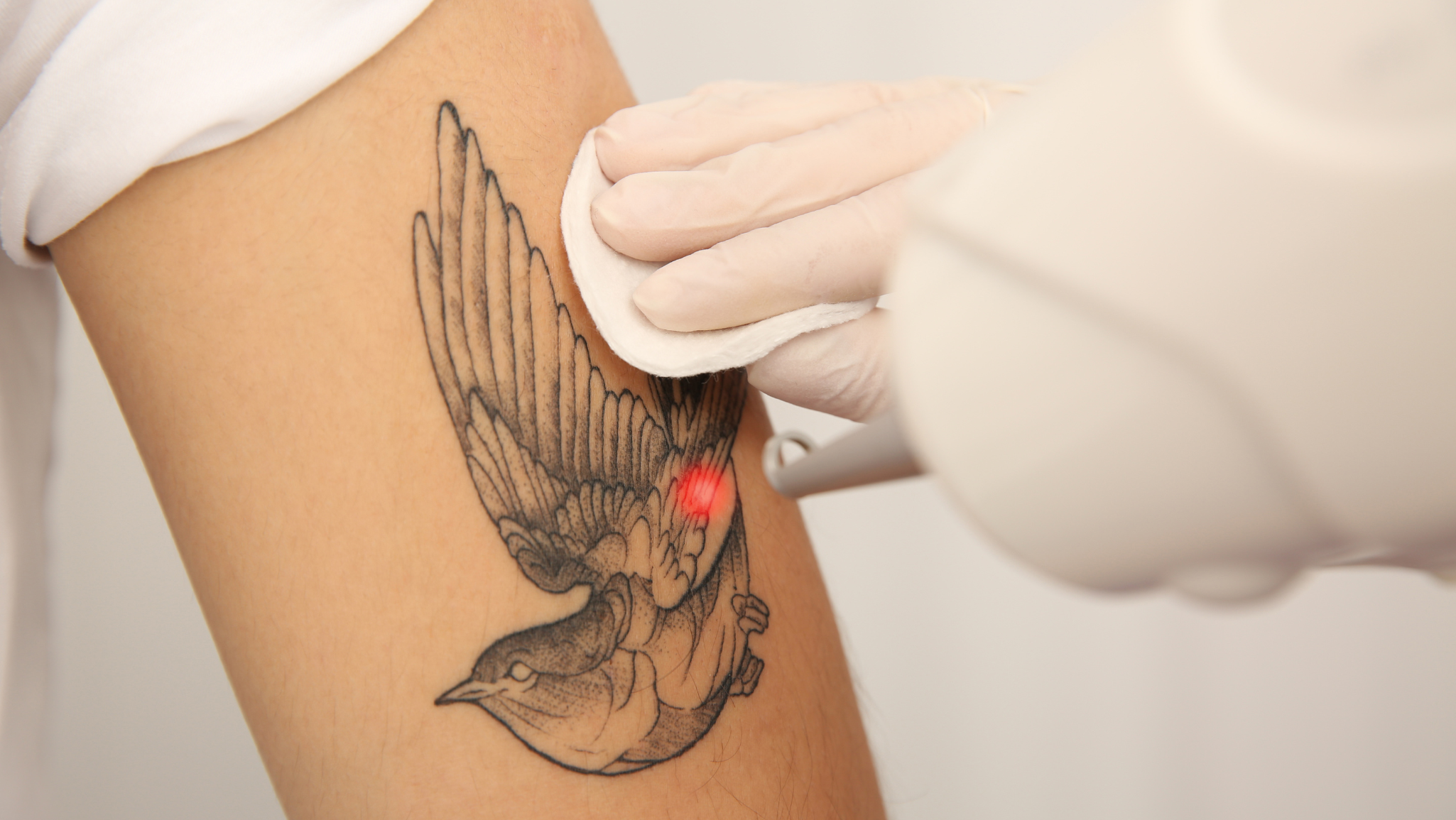
Not all laser removal systems are created equal. Modern Q-switched and picosecond lasers represent the gold standard in tattoo removal technology, breaking up ink particles more effectively with less damage to surrounding skin. These advanced systems can target different ink colors with various wavelengths.
Ask potential clinics about the specific equipment they use and whether it’s appropriate for your tattoo type. A reputable clinic will be transparent about their technology and explain how it works. They should also have before-and-after photos demonstrating results on tattoos similar to yours.
Proper Aftercare Is Half the Battle
What you do between sessions significantly impacts your final results. Clinics emphasize that following aftercare instructions isn’t optional if you want optimal outcomes. Keep the treated area clean, moisturized, and protected from sun exposure throughout your entire removal journey.
Your immune system does the heavy lifting of removing broken-down ink particles, so supporting your overall health matters too. Stay hydrated, maintain a healthy diet, avoid smoking, and get adequate sleep. These lifestyle factors genuinely influence how quickly and completely your tattoo fades.
Cost Considerations Go Beyond the Price Tag
Tattoo removal represents a significant financial investment, often costing more than the original tattoo. However, the cheapest option isn’t always the wisest choice. Inexperienced practitioners or outdated equipment can lead to scarring, incomplete removal, or the need for additional corrective treatments.
Consider the total cost over the complete treatment course rather than just the per-session price. Some clinics offer package deals that provide better value than paying for individual sessions. Many also provide financing options to make the investment more manageable over time.
Pain Management Options Are Available
Let’s be honest: tattoo removal isn’t comfortable. Many people describe the sensation as similar to getting snapped repeatedly with a rubber band or having hot grease splattered on the skin. However, clinics have various options to manage discomfort during treatment.
Topical numbing creams, cooling devices, and even local anesthesia can make sessions more tolerable. Don’t suffer through treatments unnecessarily. Discuss pain management options with your provider and find an approach that works for you.
Choosing the Right Clinic Makes All the Difference
Your choice of removal clinic directly impacts your experience and results. Look for licensed medical professionals with specific training in laser tattoo removal, not just general aesthetic services. Read reviews, ask about their experience level, and trust your instincts during consultations.
A quality clinic will conduct a thorough assessment, discuss realistic expectations, explain the process in detail, and answer all your questions without pressure. They understand that tattoo removal is personal, and they’ll work with you to achieve the best possible outcome for your unique situation. Taking time to find the right provider sets the foundation for a successful removal journey.