An Electric Installation Condition Report, often called an EICR, is a formal document that shows the current condition of the electrical systems inside a building. It is created after a full inspection and testing process by a qualified electrician. The purpose of the report is to find any problems that could cause electric shocks, fires, or other safety risks. It also helps check whether the electrical system still meets national safety standards.
Having a safe and working electrical system is important for every home, business, and rental property. An EICR is one of the best ways to make sure that your system is not dangerous and is working as it should. Whether you own your home, rent it out, or run a business, understanding what an EICR is and why it matters can help you stay safe and avoid legal issues.
In this guide, we’ll explain everything in simple terms: what an EICR is, why it’s important, how often you need one, what happens during an inspection, what the results mean, and what to do next.
What is an EICR?
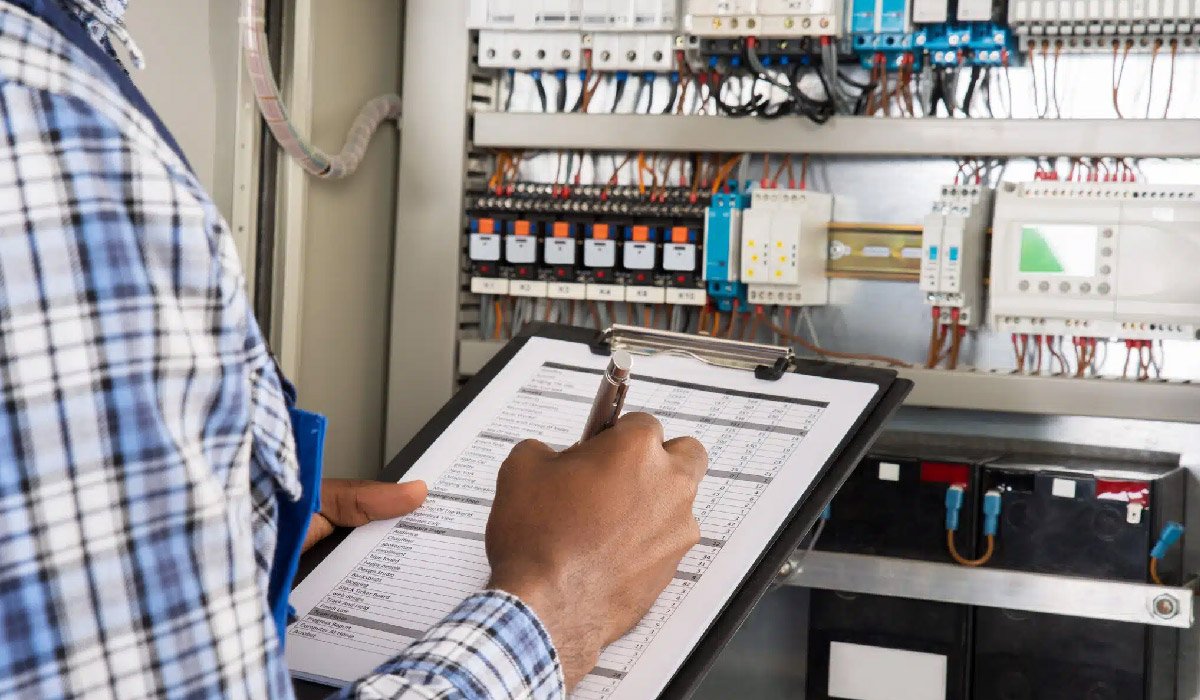
An EICR is a detailed check-up of the wiring, fuse box, sockets, and other electrical parts in a building. It is done by a trained electrician who looks for any faults, damage, or signs of wear that could be unsafe. After the inspection and testing, the electrician gives a written report that explains what they found.
The goal of the EICR is to make sure the installation is safe for continued use. If problems are found, the report will explain what needs to be fixed, how serious it is, and whether it needs to be done urgently.
Why is an EICR Important?
An EICR is important because it helps prevent accidents like electric shocks, fires, and other dangers. Over time, wires can get damaged, connections can loosen, and older parts may not meet modern safety rules. Without regular checks, these issues can go unnoticed until something goes wrong.
Also, if you are a landlord, you have a legal duty to make sure the electrical systems in your rental properties are safe. In many countries and regions, landlords must have a valid EICR done every few years and give a copy to tenants. Even if you’re a homeowner, having an EICR can help you avoid expensive repairs later and give peace of mind that your home is safe.
When Should You Get an EICR?
How often you need an EICR depends on the type of building and how it is used. Here are some general rules:
-
Homeowners should get an EICR every 10 years.
-
Rental properties should have an EICR every 5 years or at the start of each new tenancy.
-
Commercial properties should be tested every 5 years.
-
Industrial buildings usually need an EICR every 3 years due to heavier usage.
If you’re buying or selling a home, it’s also a good idea to get an EICR to make sure everything is safe and to avoid surprises.
What Happens During an EICR?
When the electrician arrives for the inspection, they will do both a visual check and physical testing. They look at the visible parts of the system to see if anything looks damaged or outdated. Then they carry out technical tests using special equipment to measure whether circuits are working correctly and safely.
Here’s what is usually involved:
-
A visual inspection of wiring, switches, sockets, fuse boxes, and other parts.
-
Testing whether electricity flows properly through the circuits.
-
Checking the insulation around wires to prevent shocks.
-
Making sure the connections are correctly wired.
-
Testing the grounding or earthing of the system to see how it would behave in a fault.
The process may take a few hours, depending on how big the property is and how complex the wiring system is.
Understanding EICR Codes
The report uses simple codes to explain the results. Each problem found is given a code to show how serious it is and what should be done.
The main codes are:
-
C1: This means danger is present right now. Action must be taken immediately.
-
C2: There is a potential danger, and it should be fixed as soon as possible.
-
C3: This is not dangerous, but improvement is recommended to make the system safer.
-
FI: This stands for “Further Investigation,” which means the electrician needs to do more checking before deciding.
If the report finds any C1 or C2 issues, the EICR is marked as “unsatisfactory,” and you need to fix the problems before the property can be considered safe.
What to Do If the EICR Fails
If your EICR shows C1 or C2 issues, it means the system has faults that could cause harm or a fire. These problems need to be repaired by a qualified electrician. Once the repairs are done, the electrician may need to return and confirm that the issues have been fixed. This may involve a follow-up inspection or minor testing.
Some electricians offer a follow-up certificate or a new EICR that confirms the property is now safe.
Benefits of Getting an EICR
There are many good reasons to get an EICR, whether you are a homeowner or a landlord. Here are the main benefits:
-
It improves the safety of your home or building.
-
It helps avoid electrical fires and electric shock risks.
-
It can save money in the long term by finding small issues early.
-
It ensures you meet legal rules and insurance conditions.
-
It increases the value and trust in your property if you’re selling or renting.
-
It gives peace of mind that your electrical system is in good condition.
How Much Does an EICR Cost?
The cost of an EICR depends on the size of your property, its location, and how complex the wiring is. As a general idea:
-
Small flats may cost around £120 to £180
-
Medium-sized homes might cost £180 to £250
-
Larger homes or commercial buildings can cost £300 or more
If the electrician finds issues that need fixing, the repair costs will be separate and depend on what needs to be done.
Who Can Do an EICR?
Only a qualified electrician can carry out an EICR. They should be registered with a recognized trade body such as NICEIC, NAPIT, or another approved organization. These electricians are trained in the latest safety rules and know how to carry out the testing properly.
When booking an electrician, make sure to:
-
Ask about their qualifications and experience with EICRs
-
Confirm they are registered with a trade body
-
Request a written quote
-
Ask how long the inspection will take and when the report will be ready
How to Prepare for an EICR
To make the process faster and easier for both you and the electrician, there are a few things you can do before the visit:
-
Move furniture or items that block electrical sockets, fuse boxes, or switches
-
Let the electrician know about any known issues or areas of concern
-
Have any past reports or electrical records available
-
Make sure someone is at home to give access during the inspection
-
Inform any tenants or staff members if it’s a rental or commercial building
This kind of preparation helps the electrician finish their work more quickly and with fewer delays.
What Happens After the Report?
After the inspection, the electrician gives you a written report. If everything is okay and there are no serious issues, the report will say the installation is “satisfactory.” This means your property is safe for continued use.
If the report is “unsatisfactory,” you will need to fix the listed problems, especially anything marked as C1 or C2. Once repairs are made, you may get a minor works certificate or a new EICR confirming the fixes.
Keep the EICR for your records. If you are a landlord, you should give a copy to your tenants and the local council if requested.
Legal Rules for Landlords
In many places, especially in the UK, landlords are legally required to have an EICR done every 5 years. They must also give a copy of the latest EICR to new tenants before they move in. If the local housing authority asks for the report, it must be provided within 7 days.
If a landlord fails to carry out these checks, they can face large fines and legal action. It’s also harder to claim on insurance if an accident happens and you didn’t meet your electrical safety duties.
Common Problems Found in EICRs
During an EICR, electricians often find similar types of problems. These include:
-
Loose or damaged wiring connections
-
Cracked or worn-out sockets and switches
-
Old fuse boards that don’t meet modern safety standards
-
Lack of RCD protection (a safety device that trips circuits during faults)
-
Poor earthing or bonding
-
Circuits that are overloaded with too many appliances
These problems may not be obvious, but they can be dangerous if not dealt with.
How EICRs Affect Property Value
A valid EICR can be a big plus when selling or renting a property. Buyers and tenants feel more confident knowing that the electrical system has been tested and approved.
Some insurance companies may also require proof of a recent EICR, and having one can lead to better terms or lower premiums. It also helps prevent sales or rentals from being delayed due to safety concerns.
Final Thoughts
An Electric Installation Condition Report is one of the most effective ways to make sure a property’s electrical system is safe and up to standard. Whether you’re a homeowner who wants peace of mind or a landlord who needs to follow legal rules, an EICR gives you clear information about the condition of your electrics.
By understanding what an EICR is, how often it should be done, and what to do if problems are found, you can protect your property, your family, and your tenants from harm. Always hire a qualified electrician, and treat the report as an important part of your building’s regular maintenance.
If it’s been a while since your last inspection, now is a good time to book an EICR and make sure everything is safe and sound.