


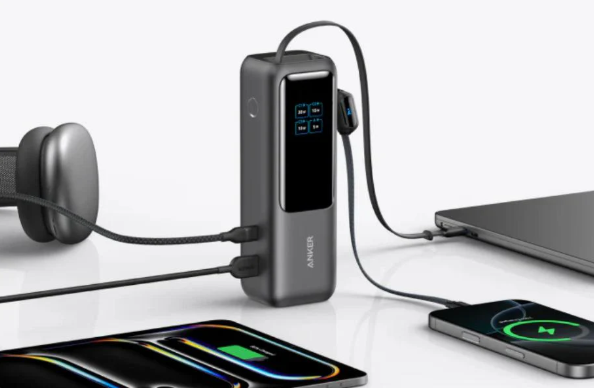
In modern technology, reliable charging solutions are essential to keep devices ready for work, study, or leisure. With a variety of wireless chargers and MacBook chargers available, understanding key features, compatibility, and safety standards is necessary for selecting a charger that meets daily needs efficiently.
The Importance of Choosing the Right Charger
A charger is more than just a power source. Selecting one suited to your device ensures:
- Consistent charging speed
- Protection against overheating or electrical surges
- Preservation of battery health over time
- Compatibility with multiple devices, when necessary
For MacBooks, meeting specific wattage requirements is crucial, while wireless chargers require proper alignment and power delivery to maintain efficiency.
Features to Consider in Wireless Chargers
Wireless charging technology relies on electromagnetic induction to transfer power without physical cables. Key considerations for choosing wireless chargers include:
1. Charging Speed
Charging speed varies between models and devices. iPhones typically support 7.5W–15W, whereas some Android phones may support up to 15W or higher. Selecting a charger with sufficient output ensures devices reach full battery efficiently.
2. Device Compatibility
Not all wireless chargers work with every device. Look for Qi-certified chargers capable of supporting multiple smartphones, earbuds, and accessories. This ensures flexibility and consistent performance across devices.
3. Safety Mechanisms
Wireless chargers generate heat during operation. Features that regulate temperature and prevent over-voltage or short-circuits are critical to protecting both the charger and the connected device.
4. Build and Durability
Durable chargers with stable surfaces reduce misalignment issues. Pad-style or stand-style designs can affect convenience depending on how a device is used while charging.
Selecting a MacBook Charger
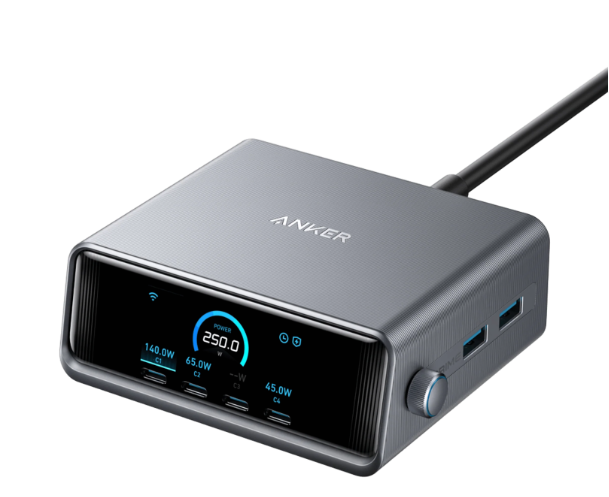
MacBooks require chargers capable of handling higher wattages while maintaining precise voltage control. Understanding your device’s requirements is critical.
1. Wattage and Power Delivery
Different MacBook models require different wattages. For instance:
- MacBook Air models may require 30–45W
- MacBook Pro models may require 61–96W
Using a charger that matches the required wattage ensures safe and efficient charging.
2. Safety Features
Key safety considerations include:
- Over-voltage and surge protection
- Short-circuit prevention
- Temperature regulation
These mechanisms prevent damage to both the MacBook and the charger over time.
3. Portability
Compact and lightweight chargers are useful for users who travel frequently. A charger that balances portability and durability allows consistent performance across different environments.
Multi-Device Charging
Many users operate multiple devices simultaneously, such as laptops, smartphones, and wireless earbuds. Chargers that support multi-device power delivery help manage multiple electronics efficiently.
Considerations for multi-device setups include:
- Stable power distribution to prevent overload
- Compatibility with multiple device types
- Minimal desk clutter and organized charging layout
This approach can reduce the need for multiple separate chargers and streamline device management.
Maintaining Battery Health
Proper charging habits are essential for extending device longevity:
- Avoid excessive heat exposure during charging
- Maintain proper alignment with wireless chargers for optimal efficiency
- Use certified chargers to prevent inconsistent voltage delivery
Selecting the right charger for both MacBooks and wireless devices contributes to overall battery preservation and reliable daily performance.
Summary
Choosing the right wireless chargers and MacBook charger involves considering speed, safety, compatibility, and durability. Key points to remember include:
- Match chargers to device wattage and supported charging standards
- Look for built-in safety features such as temperature and surge control
- Consider design and usability for everyday routines
- Opt for certified, reliable models to maintain battery health
Proper selection ensures consistent charging performance, device protection, and the ability to manage multiple devices efficiently.