


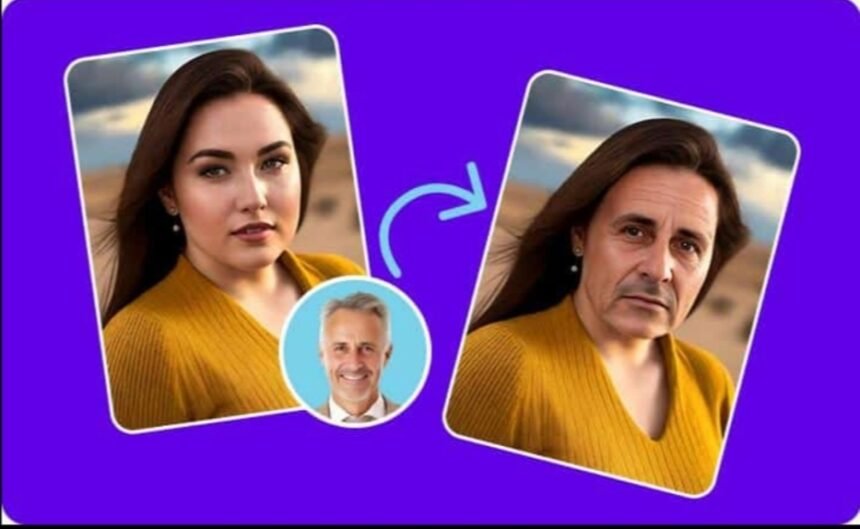
The world of digital content has entered a completely new era. What once required professional studios, heavy editing skills, and expensive equipment can now be achieved with a few taps on your phone. Among the most popular innovations leading this transformation are face swap technology and AI talking photo tools. Together, they are reshaping how creators, influencers, marketers, and everyday users interact with visuals, giving everyone the power to produce fun, engaging, and highly realistic content.
What Makes Face Swap Technology So Popular?
At its core, face swap is a tool that replaces one person’s face with another’s in photos or videos. However, modern tools have become far more advanced than the early, cartoonish versions we once saw on social media. Today’s AI-based face swap systems use deep learning models to analyze facial landmarks, texture, expression, and lighting. This allows them to blend faces seamlessly, making the results much more natural.
People use this technology for many reasons. Some try it for fun—putting themselves into iconic movie scenes, trying on celebrity looks, or swapping faces with friends just for entertainment. Others use it for creativity: content creators switch faces to enhance storytelling, marketers test campaigns with different personalities, and educators use it for interactive learning scenarios.
What makes the technology exciting is how accessible it has become. You no longer need editing expertise. With simple mobile apps, anyone can generate professional-level results instantly.
AI Talking Photo: Giving Still Images a Voice
One of the most fascinating developments in AI is the rise of the AI talking photo trend. This technology takes a still image—any portrait, statue, painting, or selfie—and animates it to make it speak. The AI models behind these tools analyze facial structure, predict mouth shapes, synchronize lip movement with audio, and even add natural expressions like blinking or subtle head movement.
Imagine taking an old family photo and making your ancestors speak. Or bringing a favourite childhood picture to life. Educators use talking portraits to make learning interactive, museums use them to narrate history, and creators use them to produce short videos without recording themselves on camera.
The technology offers endless creative possibilities. With only a single photo and a script or audio input, you can create high-quality video clips that look as if the subject is really speaking on screen.
Why These Two Technologies Work So Well Together
Face swap and AI talking photo tools complement each other perfectly. A face swap lets you place a face onto a new character or environment. Then, an AI talking photo tool can animate that face, making it speak, smile, react, or narrate a story. The combination allows creators to produce incredibly engaging content—even with no camera, no studio, and no editing skills.
For example:
- You can create a fantasy character with your own face and make it talk.
- You can bring fictional characters to life for storytelling videos.
- Marketers can personalize video campaigns using AI-generated spokespersons.
The result is a powerful method of communication and entertainment that feels personal, dynamic, and immersive.
How These Tools Are Changing the Creative Landscape
Digital creativity has become more open, more inclusive, and more innovative thanks to these AI technologies. Small businesses can now produce high-impact video content without hiring actors. Influencers can experiment with identity and style without doing makeup or photoshoots. Filmmakers and animators use AI to test scenes quickly and cheaply.
Even in education, teachers can turn historical figures into talking guides. Therapists use animated photos to help patients express emotions. Companies use them for customer support avatars. The possibilities expand every day as AI gets smarter and more expressive.
Ethical Considerations and Responsible Use
While the technology is fun and exciting, it also comes with responsibilities. Since face swap and AI-animated photos can look extremely real, users must ensure they use them ethically. Always avoid creating misleading or harmful content. Respect privacy and avoid using someone’s face without consent. As long as these tools are used responsibly, they offer tremendous creative potential.
Final Thoughts
Face swap and AI talking photo technology are revolutionizing how we create and interact with digital content. They allow anyone—regardless of skill level—to produce studio-quality visuals using only a smartphone or laptop. Whether you’re a creator, storyteller, marketer, or just someone who loves experimenting with AI, these tools give you the freedom to turn imagination into reality. As the technology continues to evolve, the line between real and synthetic visuals will blur even further, opening the door to a future where creativity has no limits.