

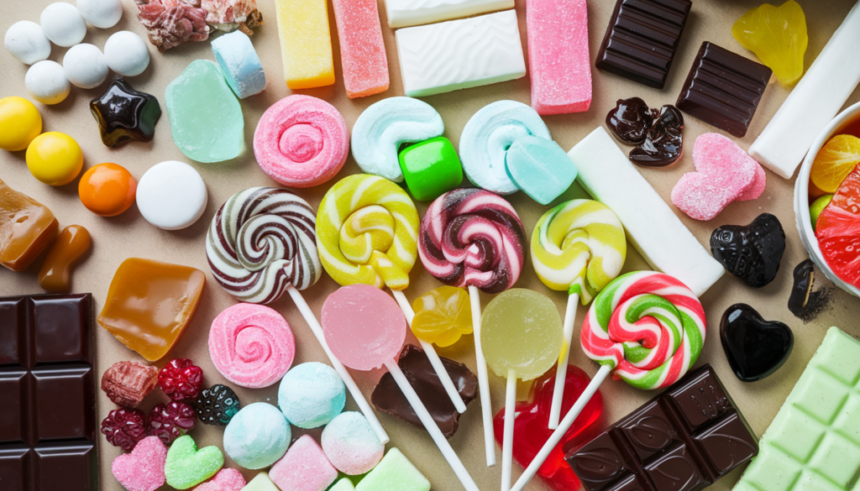
A quiet shift is underway in celebrity wellness circles, and it centers on an unlikely item: the lollipop. Once relegated to pediatrician offices and bank teller counters, sugar-free lollipops have become a fixture in the diets of health-conscious public figures navigating the tension between indulgence and discipline. What began as a niche alternative has evolved into a broader reflection of changing consumer priorities around sugar consumption and dental health.
The appeal isn’t merely aesthetic. Sugar-free lollipops align with mounting evidence about the health risks of excessive sugar intake, from metabolic dysfunction to tooth decay. For celebrities whose careers depend on maintaining specific physical standards, these treats offer a pragmatic solution: sweetness without the glycemic load. As endorsements from high-profile figures accumulate, the market for sugar-free confections continues to expand beyond its original diabetic and diet-focused demographics.
Why Sugar-Free Confections Are Gaining Ground
The rise of sugar-free lollipops reflects broader dietary trends rather than celebrity whim alone. Public health organizations have spent years documenting the consequences of high sugar consumption. The World Health Organization recommends limiting free sugars to less than 10% of total energy intake, citing links to obesity, cardiovascular disease, and dental caries. Against this backdrop, sugar-free alternatives have moved from specialty health stores to mainstream retail.
Lollipops themselves carry cultural weight that extends beyond simple candy. Historically tied to celebration and childhood ritual, they’ve occupied a unique position in confectionery history. Their transformation into a wellness product represents a fascinating collision between nostalgia and modern nutritional science.
The candy industry has responded to shifting consumer preferences with notable speed. Major manufacturers now dedicate entire product lines to sugar-free formulations, employing alternative sweeteners that preserve taste while eliminating the caloric density of traditional sugar. This isn’t a temporary pivot—market data suggests sustained growth in the sugar-free segment as younger consumers prioritize ingredient transparency and health outcomes.
The Xylitol Advantage: Sweetness With Dental Benefits
Among sugar substitutes, xylitol has emerged as particularly noteworthy for its dual function. This naturally occurring sugar alcohol not only provides sweetness but actively contributes to oral health. Xylitol inhibits the growth of Streptococcus mutans, the primary bacteria responsible for dental caries, while promoting remineralization of tooth enamel.
The mechanism is straightforward: unlike glucose, xylitol cannot be metabolized by oral bacteria to produce the acids that erode enamel. Regular consumption of xylitol-containing products has been shown to reduce cavity formation by up to 85% in some studies. For individuals seeking to satisfy sweet cravings without compromising dental health, xylitol-based lollipops represent a scientifically supported option.
This functional benefit distinguishes sugar-free lollipops from mere calorie reduction. They’re not simply “less bad” than traditional candy—they offer measurable protective effects. Dentists have begun recommending xylitol products as part of comprehensive oral hygiene protocols, particularly for patients at high risk for decay.
Celebrity Adoption and Social Influence
The visibility of sugar-free lollipops in celebrity culture has accelerated their mainstream acceptance. High-profile figures in entertainment and fashion have been photographed with these products, often as part of broader wellness narratives shared on social media. While specific endorsements vary, the pattern is consistent: public figures seeking to maintain lean physiques while managing the demands of travel, irregular schedules, and constant public scrutiny.
This visibility matters in ways that extend beyond simple product placement. When celebrities normalize sugar-free alternatives, they signal to audiences that restriction need not mean deprivation. The psychological component is significant—maintaining dietary discipline becomes more sustainable when small indulgences remain available. For fans and followers, seeing admired figures enjoy these treats reduces the stigma sometimes associated with “diet” products.
The influence operates through multiple channels: Instagram stories, TikTok videos, and casual mentions in interviews all contribute to a cumulative effect.
Market Trajectory and Industry Response
The question of longevity is reasonable given the cyclical nature of diet trends. However, several factors suggest sugar-free lollipops represent more than a passing fad. First, the underlying health concerns driving their adoption—obesity rates, diabetes prevalence, dental disease—show no signs of abating. Second, the taste and texture of sugar-free formulations have improved dramatically, eliminating the artificial aftertaste that plagued earlier generations of products.
Major confectionery companies have invested substantially in sugar-free product development, a signal of confidence in long-term demand. Smaller specialty brands have also entered the market, offering premium formulations with organic ingredients and novel flavors. This diversification suggests a maturing market rather than a temporary spike in interest.
Consumer behavior data supports this interpretation. Sales of sugar-free candy have grown consistently over the past five years, with particularly strong performance among millennials and Generation Z consumers. These demographics prioritize health outcomes and ingredient quality, characteristics that align well with sugar-free product positioning.
Practical Considerations for Consumers
For those considering sugar-free lollipops as part of a healthier approach to sweets, several factors merit attention:
- Caloric Reduction: Sugar-free formulations typically contain 40-60% fewer calories than traditional lollipops, supporting weight management goals without requiring complete elimination of treats.
- Blood Sugar Management: Alternative sweeteners like xylitol and erythritol have minimal impact on blood glucose levels, making them suitable for diabetics and those monitoring glycemic response.
- Dental Protection: Xylitol-based products actively reduce cavity risk rather than simply avoiding sugar’s harmful effects, offering a functional health benefit.
- Flavor Variety: Modern sugar-free lollipops span an impressive range of flavors, from traditional fruit to sophisticated botanical blends, eliminating the compromise between health and taste.
- Digestive Tolerance: Sugar alcohols can cause gastrointestinal discomfort in some individuals when consumed in large quantities; moderation remains advisable.
For those considering sugar-free lollipops as part of a healthier approach to sweets, options from Dr. John’s Healthy Sweets, Zollipops, and SmartSweets represent some of the more established names in this category — each worth comparing across the factors below.
The Broader Context of Dietary Evolution
The emergence of sugar-free lollipops as a wellness product reflects larger transformations in how consumers approach food and health. The binary thinking that once dominated diet culture—”good” foods versus “bad” foods—has given way to more nuanced frameworks that accommodate pleasure alongside nutritional goals. This shift acknowledges psychological sustainability as essential to long-term dietary success.
Sugar-free alternatives fit naturally into this evolved perspective. They represent harm reduction rather than asceticism, allowing individuals to navigate social situations, manage cravings, and maintain dietary adherence without the rigidity that often leads to restriction-binge cycles.
As food technology continues advancing, the gap between “healthy” and “indulgent” narrows. Sugar-free lollipops exemplify this convergence—products that deliver sensory satisfaction while supporting rather than undermining health objectives. Their staying power will likely depend on continued innovation in taste and texture, alongside sustained consumer education about the benefits of sugar reduction.
Looking Forward
The trajectory of sugar-free lollipops suggests they’ve transcended novelty status to become a permanent fixture in the confectionery landscape. As public awareness of sugar’s health impacts deepens and product quality continues improving, demand for these alternatives will likely strengthen. Celebrity endorsement has accelerated adoption, but the underlying value proposition—sweetness without metabolic or dental consequences—provides a foundation for sustained relevance.
For consumers navigating the complex terrain of modern nutrition, sugar-free lollipops offer a practical tool: a way to honor the human desire for sweetness while respecting the body’s need for metabolic balance. That combination, more than any celebrity endorsement, explains their emergence as a wellness staple worth taking seriously.