


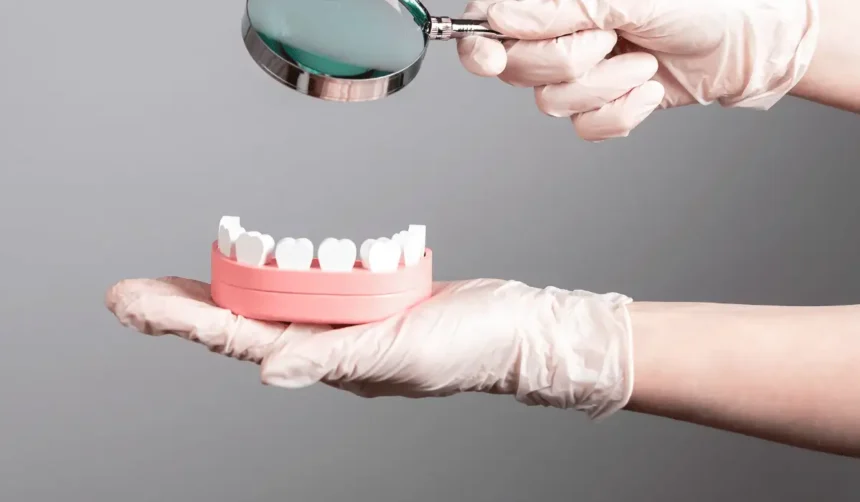
Your dental work should last. You invest time, money, and energy into crowns, fillings, and veneers. You expect them to stay strong. Preventive dentistry protects that promise. It keeps small problems from turning into painful damage. It also keeps your restored teeth working, not breaking. Routine cleanings, exams, and simple home care protect both natural teeth and dental work. They stop decay from sneaking under fillings. They keep gums from pulling away from crowns. They also help your bite stay even, so restorations do not crack. A cosmetic dentist in South Holland, IL can repair worn or damaged teeth. Yet you control what happens next. Regular checkups, fluoride, and good daily habits can add years to your restorations. They also cut your risk of sudden toothaches and emergency visits. This blog explains how preventive care protects your dental work and helps you keep your smile steady.
Why Restorations Still Need Protection
Fillings, crowns, and veneers do not decay. Your mouth still does. The tooth under and around each restoration can still get cavities or an infection. Bacteria collect at the edges. Food and plaque cling to rough spots. Small gaps form over time. Then decay creeps in.
You also use restored teeth every time you chew. Grinding, clenching, and hard foods put pressure on them. Tiny cracks start. Cement can loosen. Gums can swell or recede. Without steady care, one weak point can ruin a whole tooth.
Preventive dentistry lowers these risks. It keeps the mouth clean, the bite balanced, and the gums steady. That helps each restoration last longer and feel more comfortable.
How Preventive Care Protects Your Dental Work
Strong prevention rests on three simple steps. You use home care every day. You use the dental office for cleanings and exams. You fix small problems early.
- Home brushing and flossing. You brush two times a day with fluoride toothpaste. You floss at least once a day. You clean gently around crowns and under bridge edges. You use small brushes or floss threaders when needed.
- Professional cleanings. A hygienist removes hardened plaque that brushing cannot reach. Clean surfaces collect fewer germs. That protects the edges of fillings and crowns.
- Regular exams. A dentist checks your bite, gums, and restorations. Small chips, cracks, or loose spots show up early, before you feel pain.
The Centers for Disease Control and Prevention explains that good brushing with fluoride and routine exams lower tooth loss. That same care keeps your dental work in place longer.
Common Risks To Crowns, Fillings, And Veneers
You face three main threats to restorations. Decay at the edges. Gum disease around the tooth. And force from grinding or hard biting.
| Risk | What Happens | How Prevention Helps
|
|---|---|---|
| Decay at edges | Cavities form under or beside fillings, crowns, or veneers. | Fluoride, cleanings, and flossing keep bacteria low and edges clean. |
| Gum disease | Gums bleed, pull back, and loosen support around restorations. | Routine cleanings and home care lower plaque and calm gum swelling. |
| Grinding and clenching | Extra force cracks porcelain and wears fillings. | Night guards, bite checks, and habit changes spread and soften force. |
Each threat starts small. A bit of bleeding. A rough edge. A short ache when you chew. Quick attention stops a minor issue from turning into root canal treatment or a lost tooth.
Daily Habits That Add Years To Your Restorations
You protect your restorations most with what you do at home. Simple habits build strong teeth and gums around them.
- Brush two times a day for two minutes with fluoride toothpaste.
- Floss once a day, wrapping around each tooth and sliding under crown edges.
- Use alcohol free mouth rinse if your dentist suggests it.
- Limit sugary drinks and snacks between meals.
- Drink tap water that contains fluoride when possible. Many public systems add it.
- Do not chew ice, pens, or hard candy. Those can crack porcelain.
- Wear a night guard if you grind or clench during sleep.
The American Dental Association notes that fluoride and reduced sugar lower decay. That protects natural enamel and the tooth under each restoration.
How Often You Need Checkups To Protect Dental Work
Most people need dental visits at least two times a year. Some need more. The number of restorations you have, your gum health, and your general health shape that schedule.
| Situation | Suggested Visit Frequency | Reason
|
|---|---|---|
| Few or no restorations | Every 6 months | Keep teeth and gums stable and catch early decay. |
| Several crowns or large fillings | Every 3 to 4 months | Watch edges closely and clean deeper. |
| History of gum disease | Every 3 to 4 months | Control plaque to protect bone and support for restorations. |
| Teeth grinding or jaw pain | Every 4 months | Check for wear, cracks, and guard fit. |
You and your dentist set a plan that fits you. Then you keep the visits, even when everything feels fine. Quiet problems often grow for months before you feel them.
Warning Signs You Should Not Ignore
Call for a visit soon if you notice any of these three changes around a restoration.
- Sensitivity to hot, cold, or sweets that lingers.
- Gums that bleed, swell, or pull away from a crown or bridge.
- A rough edge, chip, or change in how your teeth touch.
You might also see dark lines at the edge of a filling or crown. You might feel a thread catching when you floss. These are early signals. Quick repair can save the restoration and the tooth under it.
Taking Control Of Your Restorations
You do not control every crack or cavity. You do control your habits and your visits. You brush. You floss. You show up for cleanings and exams. You speak up when something feels off.
That steady effort guards your investment. It keeps crowns, fillings, and veneers strong. It lowers surprise costs and sharp pain. It also supports a steady, confident smile that you can trust when you eat, talk, and laugh.