


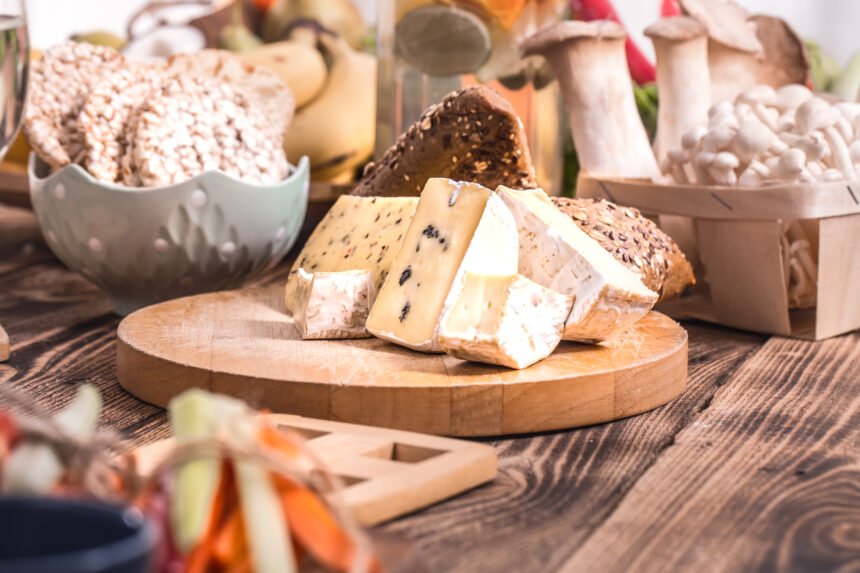
French cheese-making is one of the most renowned cheese-making traditions around the globe. It is an art that has been developed over the years through rural living, innovative agriculture, and a tremendous sense of regional pride. This ranges from the soft, buttery Brie cheese to the pungent, sharp, and rich flavors of the Roquefort cheese. To understand the art of cheese-making in France is to understand the cultural heritage where food is not only eaten, but it is also protected and preserved.
In France, cheese is not only a consumer good, but it is also a symbol of the nation. Each of the regions of the country, ranging from Normandy to Provence, also has its own cheese tradition that captures the very essence of the soil, animals, and people. This diversity of cheese is the strength of the cheese industry of France.
The Origins of Cheesemaking
Throughout the Middle Ages, the art of cheese-making had become a recognized countryside skill. Every village produced its own regional variants, depending on regional assets: the milk of alpine cows, the salt of the marshes near the sea, or the range of wild herbs growing on the mountain meadows. Such regional practices were, of course, known only to a very few trusted individuals.
This relationship between cheese and geographic origin is still the driving force behind French cuisine. This is why France has over a thousand varieties of cheese. It also highlights why consumers have stuck with local varieties.
The Soul of French Cheese
The other important consideration for the French cheese industry is terroir. Terroir is the environment that helps shape the cheese flavor. The soil type, precipitation level, altitude, climate, grazing patterns, and even flora affect the cheese flavor. For example, Normandy produces very creamy Camembert and Pont l’Evêque cheese because the mountain meadows of the Jura provide the rum flavors found in Comté. The limestone caves of Roquefort-sur-Soulzon are responsible for the blue-veined cheese, which cannot be imitated anywhere else. This regional identity is of such significance that protected designations of origin are assigned for various cheeses in France.
AOC and AOP: Preserving Traditions Through the Centuries
To protect the traditional processes, France developed the concepts of designations like AOC (Appellation d’Origine Contrôlée) and the EU version, AOP (Appellation d’Origine Protégée). This certification ensures that the cheese originates from a particular geographic location, following the traditional processes, and the specified ingredients.
Rules of origin for cheese can regulate anything from the specific breed of cow used for cheese production to the altitude level of the pasture, helping the cheese retain its origins. Origin standards of cheese have also helped preserve the purity of popular cheese varieties that originated with producers of the likes of President food products. Such classifications provide the consumer with a guarantee: by purchasing this cheese, they are not only getting a taste experience, but also history.
Milk Matters: The Foundation of Every Cheese
French cheese-making begins with one ingredient: milk. Cow, goat, or sheep, the origin of the milk affects the quality of the cheese produced. Freshness, fat percentage, and the diet that the animal consumes affect the cheese.
Various areas prefer various types of milk:
- Cow’s milk is predominant in Normandy, Burgundy, and Alsace.
- Goat’s milk is excellent for Loire Valley cheeses, Crottin de Chavignol among them.
- The sheep’s milk gives the Pyrenean cheese, Basque cheese, and Roquefort their distinctive qualities.
- Raw milk, also known as lait cru, is prized for its complexity and terroir properties. Even when it comes to large-scale productions, the use of pasteurization is not very prevalent, and raw milk is often used for artisanal cheese-making.
Core Techniques of French Artisanal Cheesemaking
Even for cheeses that have their own specific processes, several basic steps contribute to the tradition of cheese-making that exists specifically in France.
Coag
Milk is coagulated with rennet or lactic culture. This process separates the curds (solid) from the whey (liquid). The selection of cultures will control the level of acidity and flavor.
Cutting the Curd
Cheeses are cut, and the whey is separated. Finer cutting produces a harder cheese, such as Emmental, whereas coarser cutting results in softer cheese.
Moulding & Shaping
The curds are poured into moulds, where they drain and are shaped. For softer cheeses, the curds need to be molded by hand, or the cheese can be pressed for the removal of remaining moisture.
Salting
Salt has several purposes: it can add flavor, control bacteria, and enhance texture. Cheeses can be dry salted, salted using a brine, or salted with a salt blend.
Affinage
The characteristic stage of cheese-making for the French. Cheese ages, sometimes for months or even years, in regulated areas, like cellars, caves, or moisture-controlled rooms. Affineurs will brush, wash, and/or pierce the cheese with a view of developing distinctive flavors. For example,
- Époisses, a category of washed-rind cheese, is brushed with brine or alcohol.
- Blue cheeses are punctured to allow air to enter the cheese, facilitating mold development.
- Hard cheeses, such as Comté, are aged on wooden boards that add the essential microbial flora.
It works on converting mere curds into gastronomic delicacies.
The Sensory World of French Cheeses
The diversity of cheeses gives a remarkable palette of experiences. Texture can vary from creamy, crumbly, elastic, and firm. Smells vary from fresh and mild to very earthy or pungent.
Two cheeses of the same variety can vary greatly depending on the season, diet, and level of maturity. For example, a young Brie cheese provides delicate buttery flavors, but when mature, it develops into a moist, earthy, and rich dish. Blue cheese provides spicy and tangy flavors, but Alpine cheese provides nutty sweetness. Knowing these details can help customers understand how much skill goes into each wheel.
Regional Identity and Preservation of Tradition
Cheese is not separated from the location where it originates. Cheeses made in mountainous village communities, in valley areas, and on flat regions reflect the lives of cheese producers. To date, cheese-making practices have been passed on unchanged for several generations. Local celebrations, cheese fairs, and rural cooperatives help maintain these traditions. Cheesemaking is, in fact, often a shared activity for the population. Farmers supply the milk, the cheese cooperatives coordinate the cheesemaking, and the affineurs hone the cheese. This is what separates French gastronomy.
Modern Innovation Meets Traditional Craft
Even though tradition is valued, innovation also happens. Some cheese producers will use new types of milk, unusual ways of treating the rinds, or novel approaches. Some will explore new ways of sustainable agriculture, conservation of biodiversity, and ethical approaches.
Technology helps ensure quality control, but it will not substitute for artisanal expertise. The fusion of old and new will help keep French cheese fresh and contemporary.
The reason for the endurance of French cheese is the balance that it strikes between authenticity and diversity. There is no other country that can offer the variety that exists when cheese types range from soft and fresh cheeses, through to hard cheeses that are aged, and range from mild flavors, through to stronger flavors. Cheeses are culinary instruments, cultural representations. In the modern, increasingly globalized environment, they offer a sense of place, history, and craft. They serve as a reminder that time, skill, and tradition cannot be rushed.
A Tradition Worth Preserving
NIV To grasp the cheese-making tradition of the French, it’s essential to recognize that it involves much more than learning a technique. It is, rather, the acknowledgment of the relationship of environment, heritage, and the transmission of knowledge between generations that results in the creation of exceptional food. Whether it’s alone, with wine and bread, or in the kitchen, French cheese contains the history of generations. With the rising interest of the whole world in artisanal food, the art of cheese-making remains the benchmark of excellence for the French.