


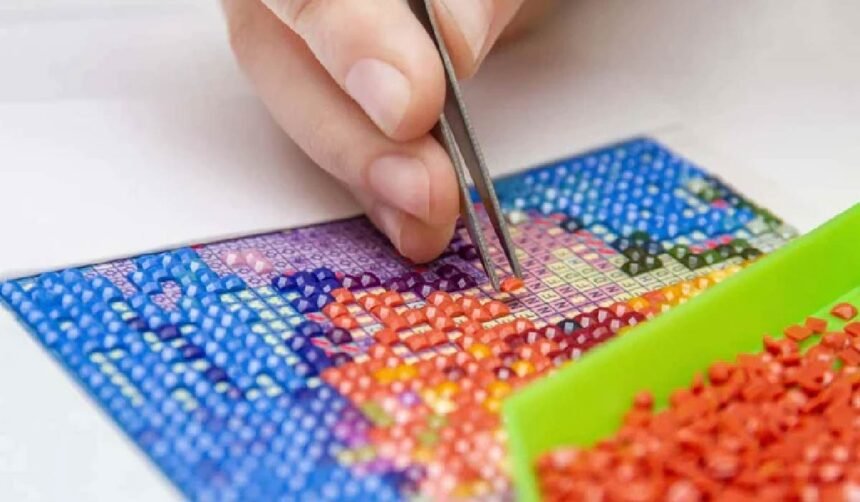
Diamond painting demands patience, focus, and steady hands. Yet, similar colour shades can often cause frustrating mistakes that disrupt the design. Many enthusiasts face this challenge and want clear ways to keep their artwork accurate and tidy. This guide explains practical methods to reduce colour mix-ups and keep each diamond perfectly aligned with its place on the canvas.
By learning a few simple strategies, anyone can make diamond painting smoother and more precise. Small changes such as better lighting, careful organisation, and smarter placement techniques can turn a difficult section into an easy task. Each method builds confidence and helps maintain the satisfaction that comes from creating neat, colourful designs.
-
Use a diamond painting light pad to clearly distinguish similar colour shades
A light pad adds clarity by shining an even layer of light through the canvas. It highlights the printed symbols and makes slight colour differences more visible to the eye. This simple tool helps prevent mistakes that occur when shades look almost identical under normal lighting.
In detailed diamond painting sets, the colours often include many subtle tones placed close together. A light pad allows the artist to see these small shifts and match each diamond with confidence. As a result, sections that once caused confusion become easier and faster to complete.
Users can adjust brightness levels to meet their comfort needs. Soft light works well in dim rooms, while a stronger level helps with tiny, pale symbols. Therefore, the light pad reduces eye strain and keeps attention on accuracy rather than squinting or guessing similar shades.
-
Double-check the colour code and symbol on the canvas before placing each diamond
Before placing each diamond, the crafter should always confirm that the symbol on the canvas matches the correct colour code on the chart. This simple habit reduces errors, especially in sections with many shades that appear almost identical.
A quick glance may seem enough, but taking a few extra seconds to verify the number or letter can prevent frustration later. Once diamonds attach to the adhesive surface, removing or replacing them often damages the glue layer. Therefore, careful checking saves time and preserves the quality of the project.
Good lighting also helps. A well-lit workspace allows the crafter to notice small differences between colours on similar symbols. This step creates a smoother workflow and a cleaner finish.
Some find it helpful to cover the canvas in small sections, working only one symbol group at a time. That method keeps the focus sharp and avoids mixing drills from different colours during placement.
-
Sort diamonds by colour in labelled containers to avoid mix-ups
Organising diamond painting drills by colour helps reduce confusion and saves time. Clear, sectioned containers allow the user to see each shade without opening multiple boxes. This method keeps similar colours separate and prevents accidental swaps.
Labels make identification faster. Each compartment should have the colour code or symbol written on it so users can match it easily to the pattern chart. As a result, they can focus more on placing the diamonds accurately instead of searching for the right shade.
Reusable plastic boxes or small jars work well for this purpose. Transparent designs provide an immediate view of the contents, making it easier to manage supplies. For added precision, users can arrange the containers in order by number or colour group.
A tidy storage setup helps maintain a clear workspace. It also reduces the chance of losing drills and allows smoother progress throughout the project.
-
Apply diamonds in small sections to reduce errors in close shade areas
Working in small sections helps maintain accuracy when dealing with shades that look almost the same. It allows the maker to focus on a limited area, which reduces the chance of placing a bead on the wrong symbol. This approach also helps keep lines straight and the overall design more precise.
Using wax or a pen to pick up diamonds in a controlled section gives better control and visibility. The maker can double-check each square, compare colours closely, and spot mistakes before they spread. As a result, corrections remain simple and do not affect the rest of the artwork.
Dividing the canvas into small areas also helps manage time more effectively. Each completed part provides a clear sense of progress, which keeps motivation high. It prevents fatigue from long sessions and helps the artist stay patient and careful, especially in areas where colours blend closely together.
-
Use high-quality precision diamond painting tools for better control
Accurate placement of drills depends on tools that give steady control and comfort. A well-made diamond pen, proper tweezers, and a level tray help each piece fit neatly into position. These tools reduce slipping and misalignment, which keeps similar shades from blending by mistake.
Good lighting tools, such as a light pad, make it easier to see subtle colour differences. This prevents mix-ups between shades that appear nearly identical on the canvas. As a result, the artist can work faster and with less strain on the eyes.
Proper storage boxes or containers also make a difference. By sorting colours clearly, artists avoid reaching for the wrong shade. Small changes in setup and tool quality can greatly improve precision in every section of the painting.
Conclusion
They can cut errors by double-checking colours, keeping tools clean, and organising drills before placement. Simple habits like separating similar shades in labelled trays help prevent confusion and wasted time.
It also helps to check the printed symbols closely under proper light. A small magnifier or lamp can make similar tones easier to tell apart. As a result, accuracy improves, and the finished design looks more even.
Regularly pressing placed diamonds into the canvas keeps them secure and reduces misplaced pieces later. Working in smaller sections further supports focus and consistency.
By using careful colour checks, tidy storage, and steady attention to detail, anyone can achieve more accurate results and reduce frustration during diamond painting projects.