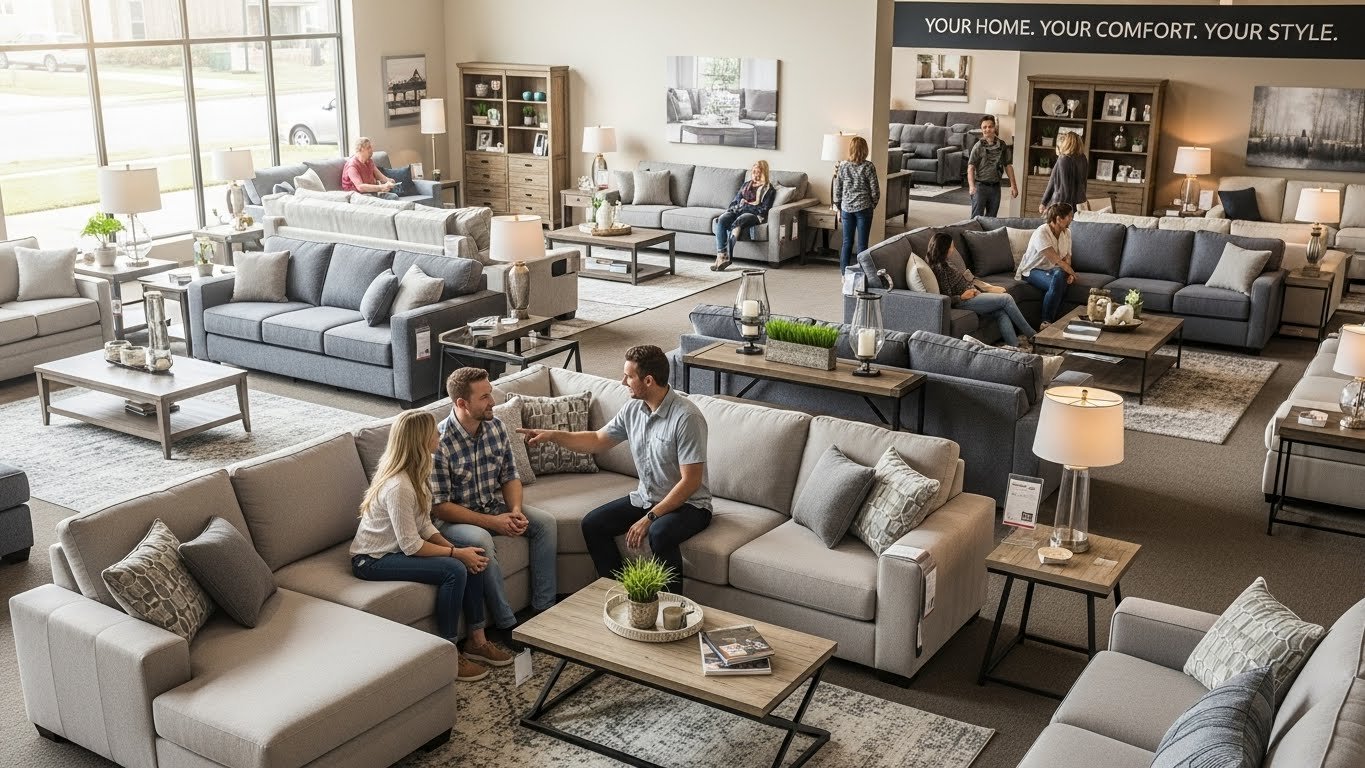
Choosing a sofa is not just about filling a space. It is about selecting a piece that supports daily comfort, reflects personal style, and fits the way a home is actually used. While online browsing offers convenience, visiting a physical showroom provides a deeper understanding of how a sofa will perform over time. Seeing, touching, and testing different options helps buyers make confident decisions that go beyond appearance alone.
A sofa often becomes the most used piece of furniture in a home. It supports relaxation, social connection, and everyday routines. Because of this, the environment in which a sofa is chosen plays a major role in how satisfied someone feels with that purchase long after it is delivered.
Experiencing comfort beyond product descriptions
Comfort is difficult to evaluate through images and measurements alone. Cushion density, seat depth, back support, and arm height all affect how a sofa feels, and these elements vary widely between designs.
In a showroom setting, visitors can sit, recline, and move naturally on different sofas. This experience reveals subtle differences that are impossible to judge online. What looks comfortable may feel too firm, too deep, or not supportive enough when tested in person.
Understanding scale and proportion in real space
One of the most common issues buyers face is choosing a sofa that does not fit their room as expected. Measurements help, but they do not always translate well to real-world perception.
Showrooms allow buyers to see how different sofa sizes relate to surrounding furniture and open space. This helps people better visualize how a piece will feel in their own living room, preventing common mistakes related to overcrowding or underfilling a space.
Comparing materials and construction quality
Sofas vary significantly in build quality. Frame materials, joinery, suspension systems, and upholstery durability all influence how long a sofa will last.
In a showroom, buyers can examine stitching, fabric texture, and structural stability firsthand. Feeling the weight of cushions, checking seams, and observing how a sofa responds to movement provides insight into craftsmanship that photos cannot convey.
Exploring style without pressure
Design trends change, but comfort and function remain constant. A showroom provides the opportunity to explore a range of styles, from classic to contemporary, without committing immediately.
Seeing multiple designs together helps buyers refine their preferences. They may discover that a style they had not considered feels more natural or fits their lifestyle better once experienced in person.
Receiving guidance through physical comparison
Comparing sofas side by side is one of the most valuable aspects of a showroom visit. Differences in seat height, firmness, and support become clear when tested back to back.
This comparison helps buyers understand trade-offs between style and comfort. It also supports more informed decisions, reducing the likelihood of regret after purchase.
Connecting lifestyle needs to furniture choices
Homes are used differently depending on routines, family size, and activities. A sofa that works well for occasional use may not suit a household where it is used constantly.
In spaces like the sofas showroom in Portland, visitors can consider how different designs align with daily habits, such as hosting guests, relaxing after work, or accommodating children and pets. This alignment between lifestyle and furniture choice supports long-term satisfaction.
Reducing uncertainty and decision fatigue
Furniture shopping can feel overwhelming due to the number of options available. Endless online scrolling often increases uncertainty rather than clarity.
A showroom narrows choices in a tangible way. Being able to eliminate options based on comfort or scale simplifies the decision-making process and builds confidence.
Supporting long-term value rather than impulse buying
Impulse purchases often lead to dissatisfaction when furniture does not perform as expected. Showroom visits slow the process and encourage thoughtful evaluation.
By spending time testing and comparing sofas, buyers are more likely to choose pieces that remain comfortable and functional over time. This approach supports better value and fewer replacements.
Understanding color and texture in natural light
Colors and fabrics can appear very different on screens. Lighting, screen settings, and photography all influence perception.
Showrooms allow buyers to see true colors and textures under real lighting conditions. This helps ensure that the sofa complements existing décor and materials within the home.
Creating confidence in the final choice
Ultimately, a sofa should feel like a natural extension of the home. Confidence in that choice comes from understanding how it looks, feels, and functions.
A showroom experience provides clarity that cannot be replicated digitally. When buyers leave knowing exactly how a sofa supports their comfort and lifestyle, they are far more likely to enjoy it for years to come.
Why showroom experiences still matter
Despite advances in online retail, physical showrooms remain essential for major furniture decisions. Sofas are personal, tactile, and central to daily life.
By offering hands-on experience, visual context, and direct comparison, sofa showrooms help transform uncertainty into assurance. This thoughtful approach leads to better choices, greater comfort, and furniture that truly supports how people live.