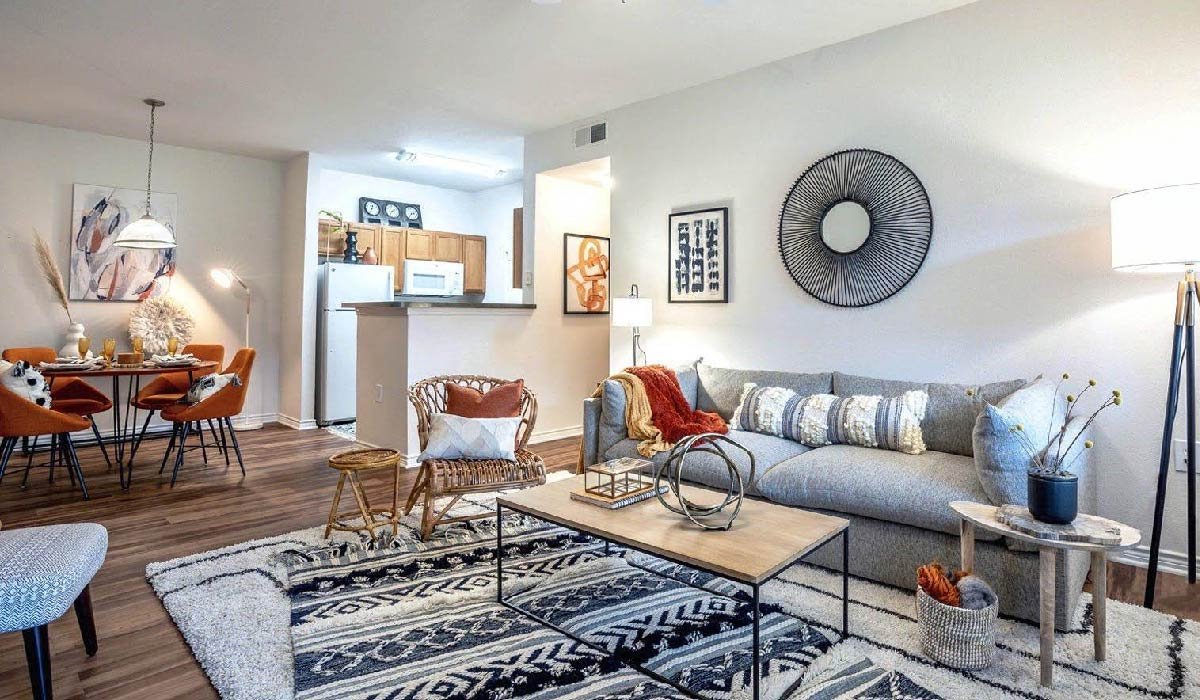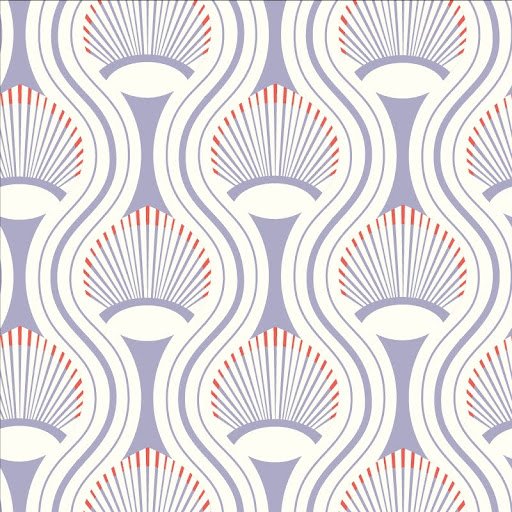
Most homes play it safe. Beige walls. Gray sofas. White trim. Nothing feels wrong. Nothing feels memorable either. The problem is not furniture. The problem is the emotional tone. Rooms need personality to feel comfortable. One of the fastest ways to change emotional tone is to install purple wallpaper. Color affects mood before furniture ever does. People notice it immediately when they enter a room.
Purple works differently from most colors. Blue relaxes. Red energizes. Green balances. Purple does two jobs at once. It calms and adds richness. That combination makes a space feel intentional instead of staged.
Why Most Rooms Feel Forgettable
People decorate with objects first. They buy pillows. They add art. They rearrange furniture.
They ignore the largest visual surface in the home: the walls.
Walls control:
- brightness
- contrast
- perceived size
- emotional response
Furniture only fills space. Walls define space.
A room without a wall design always looks temporary.
You may not notice why a room feels unfinished. Your brain notices instantly.
Understanding Color Psychology
Purple sits between blue and red on the color spectrum. That matters. The brain processes it as both soothing and expressive.
Here is what different shades communicate:
- Lavender: quiet, airy, relaxing
- Lilac: welcoming, friendly
- Amethyst: elegant, mature
- Plum: dramatic, luxurious
Lighter tones create calm spaces. Darker tones create statement areas. Light shades can even make compact rooms feel larger, while deeper tones add a bold focal point.
You are not just picking a color. You are choosing how a room behaves emotionally.
The Accent Wall Strategy
You do not need to cover every wall. In fact, you should not.
Pick one anchor wall.
Best locations:
- behind the bed
- behind the sofa
- dining room head wall
- entryway focal wall
The anchor wall creates visual gravity. Everything else becomes supporting detail.
Your eyes naturally rest on the most detailed surface in the room.
Without a focal point, your brain keeps searching. Searching creates mental fatigue. That is why some rooms feel uncomfortable even when they look nice.
Small Room Trick: Controlled Contrast
Small apartments often avoid color. That is a mistake.
Plain white walls remove shadow lines. No shadows means no depth. No depth means the room looks smaller.
Pattern and tone create visual layering. Your eyes read layers as distance.
Result: the room feels bigger.
Lighter purple shades like lavender work especially well in compact spaces because they keep brightness while adding dimension.
Lighting Matters More Than Color
Bad lighting ruins good design.
Overhead lighting alone flattens walls. Flat walls kill texture.
Use three light sources:
- Ambient light
Ceiling fixture or recessed lighting. - Task light
Reading lamp or desk light. - Accent light
The most important one.
Place a warm lamp facing the feature wall. Light grazing across a textured or patterned wall creates shadows. Those shadows make the room feel architectural instead of decorative.
Choose warm bulbs (2700K). Cool white bulbs make purple tones look gray.
Furniture Pairing Rules
A bold wall requires calm furniture. Not boring furniture. Calm furniture.
What works best:
- cream upholstery
- warm wood tones
- matte black accents
- brushed brass hardware
What to avoid:
- busy patterned sofas
- multiple competing colors
- heavy dark furniture in small rooms
Let the wall lead. Let furniture support.
When both compete, the room feels chaotic.
Bedroom Design That Improves Sleep
Bedrooms benefit the most from controlled color.
Your brain associates visual softness with safety. Safety improves rest.
Try this layout:
- centered bed
- symmetrical nightstands
- soft bedside lamps
- minimal artwork
The wall behind the headboard becomes the visual anchor. It provides grounding. The brain relaxes faster when the sleeping area has structure.
Soft purple tones are commonly used in restful spaces like nurseries and bedrooms because they create calm environments.
Entryway Impact
Your entryway decides how the entire home feels.
People judge a home within seconds. The first visible wall sets an expectation.
Add three elements:
- a mirror
- a narrow console
- a statement wall
The mirror reflects the designed wall. The effect doubles.
A strong entry wall makes the home feel designed immediately.
Ceiling Height Illusion
Low ceilings are common. You can visually raise them.
Use vertical pattern direction.
Add:
- tall curtains mounted near the ceiling
- slim floor lamp
- vertical botanical prints
Your eyes follow vertical lines upward. The brain interprets height.
You changed perception without construction.
The Hallway Opportunity
Hallways are usually empty. That wastes a powerful design moment.
Long, narrow spaces benefit from rhythm. Repetition creates movement.
Add:
- a runner rug
- soft lighting
- one patterned wall
Your hallway becomes a transition space instead of a tunnel.
Transitions make homes feel curated.
Balancing Texture
Color alone is not enough. Texture completes the effect.
Pair bold walls with tactile materials:
- linen curtains
- wool throws
- wood furniture
- ceramic lamps
Texture softens light reflections. Shiny surfaces create glare. Glare causes visual tension.
Comfort comes from softness, not quantity of decor.
You do not need more decorations. You need better materials.
What Not To Do
Avoid these common mistakes:
- covering every wall
- mixing too many patterns
- placing furniture tightly against walls
- using only ceiling lighting
- matching every object perfectly
Perfect matching looks staged. Real comfort comes from contrast and layering.
The Real Goal
Interior design is not about impressing guests. It is about daily experience.
You wake up there. You work there. You rest there.
Rooms should support your mood.
A well-designed space:
- lowers stress
- improves focus
- feels welcoming
- feels personal
Square footage cannot do that. Intentional design can.
Final Thought
People often chase bigger homes. They rarely fix the current one. The issue is rarely size. The issue is visual structure.
Focus on:
- one focal wall
- balanced lighting
- calm furniture
- layered textures
When a room has hierarchy, your brain relaxes.
A home does not need to be large to feel complete. It needs to feel purposeful. Once your walls carry emotional weight, every other design choice becomes easier — and the entire home finally feels finished.