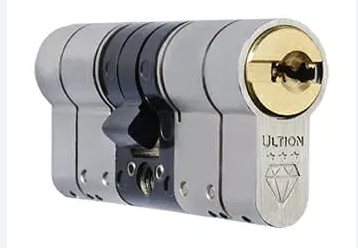
Security terms can sound like product labels until you understand the attacks they are designed to resist. Anti-snap, anti-drill and anti-bump features are not buzzwords; they describe how a lock cylinder has been built to withstand common methods used to defeat ordinary euro cylinders.
For a practical benchmark, experts at LocksmithLocal recommend starting with the least destructive and most secure route, not the most expensive one. Their locksmiths are trained through MPL Locksmith Training to City & Guilds accredited and NCFE-certified standards, and that mix of formal training, DBS checks and clear pricing is the sort of professional standard readers should look for.
Why this service matters
High security is not a single product. It is the match between the lock, the door, the frame, the handle set, the user and the risk. A strong cylinder fitted badly, a good mortice lock in a weak frame, or a secure front door beside an unsecured patio door all leave gaps. The right upgrade starts with the whole opening.
For many UK homes, the first improvement is the euro cylinder. Older cylinders can be vulnerable to snapping, drilling, picking or bumping. Timber doors may need a British Standard mortice lock. Commercial premises may need higher cycle life hardware, controlled keys or fire-compliant exit devices. Security improves when each door gets the standard it actually needs.
Anti-snap protection usually means the cylinder is designed to break in a controlled way during attack while leaving the working part protected. Anti-drill protection adds hardened elements that resist drilling. Anti-bump protection helps prevent a specially cut key from bouncing pins into alignment. High-security cylinders often combine several protections because burglars choose the easiest weakness, not the one the homeowner happened to upgrade.
First checks before you book
Before booking anyone, make the situation safer and gather the information that will help the locksmith arrive prepared. The right preparation reduces delay, avoids unnecessary damage and gives you a clearer conversation about price and method.
- Look for recognised markings such as TS007 stars or a Kitemark on the cylinder face.
- Check whether the cylinder projects beyond the handle, making it easier to grip.
- Ask whether the lock protects against snapping, drilling, picking and bumping together.
- Make sure the cylinder is measured correctly for the door thickness and handle set.
- Consider whether a 3-star cylinder or a 1-star cylinder with 2-star handle is appropriate.
- Do not assume a new-looking cylinder is automatically high security.
How a professional locksmith approaches the job
A practical high-security upgrade begins with inspection, not sales. The locksmith measures the cylinder correctly, checks how far it projects, looks for star or Kitemark markings, tests the door alignment and considers insurance wording before recommending anti-snap cylinders, BS3621 mortice locks, keyed-alike sets or additional reinforcement.
- The locksmith checks the current cylinder, handle protection, projection and door alignment.
- They recommend the standard that suits the door and insurance requirement.
- They fit the correctly sized cylinder, test the keys and explain how the security features work.
The best technicians also test their own work under realistic conditions. A door should not be declared fixed only because the lock turns once while the door is open. It should be checked as the customer will use it: closed, opened, locked, unlocked and, where relevant, tested with every new key or access method.
Benefits of getting the right repair
The benefit of a trained locksmith is not limited to speed. It is the ability to solve the cause of the fault, protect the surrounding door or window, and leave the customer with a result that will keep working after the van has gone.
- The main cylinder weakness on many uPVC and composite doors is reduced.
- The upgrade is usually quick and does not require a new door.
- Keys can often be keyed alike for convenience.
- The customer gains security that is visible and standards-based rather than cosmetic.
Security upgrades range from a single cylinder replacement to a whole-property lock plan. The cheapest meaningful improvement is often a correctly sized anti-snap cylinder on a uPVC or composite door. More comprehensive work might include handles, hinge bolts, frame reinforcement, window locks and garage or outbuilding security.
Useful questions to ask before work starts
A helpful way to judge the service around anti-snap, anti-drill and anti-bump locks explained in plain english is to listen to how clearly the locksmith explains the route from diagnosis to repair. The answer should include access checks, likely parts, whether repair is realistic, how damage will be avoided, and whether any security upgrade is optional rather than automatic. This also gives you something to compare if you speak to more than one company: the most professional answer is usually specific, calm and transparent, not a pressure sale.
- Can the fault be diagnosed before drilling or replacing parts?
- Which part is actually failing and which parts are still serviceable?
- Will the price be confirmed before work starts?
- Will the completed lock, door or window be tested from both sides where possible?
- Are the replacement parts suitable for the property type and security expectation?
Common mistakes to avoid
Most expensive locksmith problems start with a small mistake: waiting too long, forcing a part, accepting a vague quote or treating every symptom as if it has the same cause. Avoiding those mistakes protects both the property and the budget.
- Buying the wrong cylinder length online and leaving it protruding.
- Assuming anti-drill alone means anti-snap.
- Ignoring the handle and door alignment around the cylinder.
- Leaving back doors and side doors weaker than the front.
Choosing an accredited locksmith
Because locksmithing in the UK is not licensed in the same way as gas or electrical work, evidence of training matters. A useful benchmark is formal, assessed training such as City & Guilds accreditation and NCFE certification, supported by DBS checks and insurance. A trade-body logo or directory listing can be a helpful signal, but it should not be confused with independent qualification and practical competence.
For customers, the practical signs are straightforward: a named person, clear identification, proof checks before entry, a fixed price before work starts, an explanation of the method, and a willingness to repair where repair is the better answer. Those signs matter more than a rushed promise to be cheap or fast.
Quick questions answered
What does 3-star mean?
For euro cylinders, it generally indicates a cylinder that meets the high end of the TS007 security rating on its own.
Do I need new keys?
Yes. A new cylinder comes with new keys, and old keys for the replaced cylinder stop working.
Can high-security cylinders still be opened by a locksmith?
They can be harder and slower to open, by design. That is part of the security benefit.
Final thought
A good lock upgrade should be easy to explain. It reduces specific attack routes, fits the door properly and gives the homeowner a clear standard rather than a vague promise of better security.