


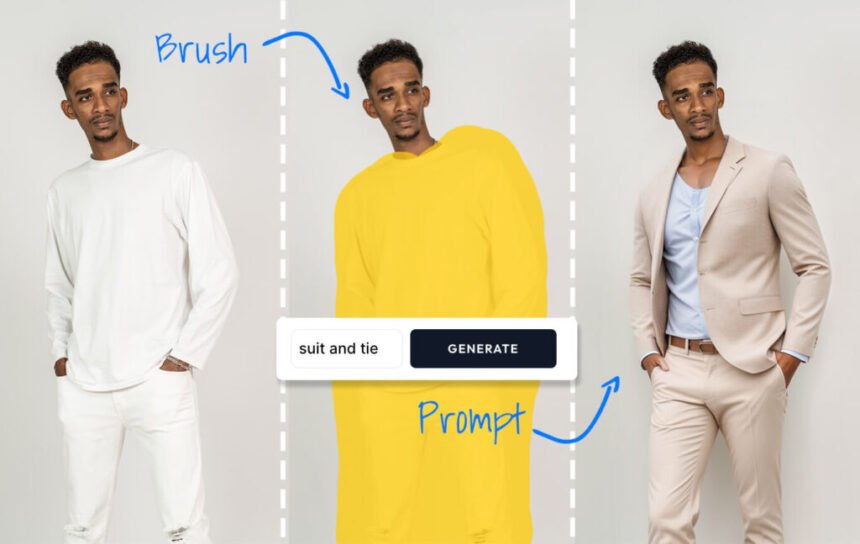
Imagine browsing clothes online and, with a few clicks, seeing exactly how they look on your body as if you were in a dressing room. That promise comes with AI‑powered virtual dressing rooms. These tools use computer vision, deep learning, and augmented reality to analyze your body shape, posture, and even lighting conditions to overlay garments in a realistic way. They offer a try‑before‑you‑buy experience all from your phone or laptop.
For many, especially those shopping from overseas, living in remote areas, or juggling busy schedules, virtual dressing rooms offer convenience and a path around the limitations of traditional shopping. They can reduce returns, avoid shipping hassles, and save time spent going to physical stores.
What Would It Take for AI to Truly Replace Physical Dressing Rooms?
For virtual dressing rooms to fully replace real AI clothes changer they need to match or come very close to what a physical try‑on offers. That means:
- Realistic fit: clothes must drape, fold, and react to movements convincingly.
- Accurate size feedback: AI should help users understand if a piece will fit comfortably or be too tight/loose.
- True‑to‑life appearance: colors, textures, shadows, lighting, and how fabric moves in natural body posture.
- 360° perspective: users should be able to view the outfit from different angles, maybe even walk, sit, or gesture.
- Confidence & trust: users must trust what they see and believe that what they see will match reality.
Where AI Virtual Dressing Rooms Are Already Doing Well
Today’s virtual dressing rooms powered by AI and AR deliver a number of clear benefits:
- Instant previews of outfits without leaving your home.
- Ability to try multiple styles, sizes, or colors quickly, without clutter or effort.
- Exposure to a wide variety of options from fast fashion to premium wear beyond what local stores may have.
- Reduced friction: no shipping back & forth just to return ill‑fitting clothes.
For many users, that’s already a meaningful portion of what a dressing room offers.
The UX (User Experience) Challenges Holding AI Back
That said, there remain several obstacles for AI to completely replace physical dressing rooms:
Rare body shapes and accurate fit
AI tools tend to work best for average body types. For uncommon body shapes or sizes, virtual try‑ons might misrepresent fit leading to disappointment once real clothes arrive.
Fabric behavior and drape realism
How clothing falls, folds, catches light that’s hard to simulate perfectly. Some materials (e.g. thick wool, sequined fabrics, heavy drapes) still look “off” in virtual overlays.
Lighting, posture, and movement issues
Poor lighting, complex posture, or dynamic movement (e.g. walking, sitting) can break the realism. Users may see distorted folds, mismatched shadows, or incorrect proportions.
Psychological and sensory gap
Trying clothes on physically gives you more than just a visual you feel the fabric, sense the weight, notice stitching, smell the material, and get a true sense of comfort. No AI system today can replicate touch or smell.
Social and emotional aspects
Part of shopping in a dressing room is the experience browsing racks, discovering unexpected styles, trying on multiple items, feeling in that moment. Virtual dressing rooms remove those sensory and social dimensions, which for some is part of the joy of shopping.
What It Would Mean to Close the Gap
To make virtual dressing rooms truly viable replacements, AI and UX design should evolve along the following lines:
- 3D body scans or more advanced body‑shape modeling to better reflect unique body types.
- Realistic physics-based rendering of fabrics simulating drape, stretch, shadows, texture with high fidelity.
- Incorporation of motion allows users to walk, sit, twist and see how clothes behave dynamically.
- Mixed reality experiences integrating actual mirrors, AR overlays in the real world, perhaps with optional body‑measure scanning.
- Reliable size recommendation systems combining AI suggestions with user measurements or prior purchase data to propose the right size confidently.
Use Cases Where AI Virtual Dressing Rooms Already Work Best
- Online shoppers who want a quick preview before ordering.
- People living abroad or in remote areas with limited access to clothing stores.
- Users experimenting with styles or colors before committing.
- Fashion brands or designers showing off new collections for global audiences, where physical fitting rooms don’t scale.
- Virtual events, digital fashion shows, or social media creators who want to simulate looks without physical garments.
Why Physical Dressing Rooms
Even with advances, physical dressing rooms will likely remain relevant especially for people who:
- Need precise fit and size confirmation (e.g. formal wear, tailored clothing, heavy garments).
- Care about tactile experience feel, comfort, how fabric moves when you bend or walk.
- Enjoy the social/experiential aspects of shopping browsing, trying multiple outfits, spontaneous discovery.
- Value assurance knowing exactly what they get before paying.
Conclusion:
Virtual dressing rooms powered by AI Image Generator are making bold strides. In many situations they already deliver a convenient, efficient, cost‑effective alternative to physical dressing rooms. However current technological limitations, especially around fit accuracy, fabric realism, sensory experience, and emotional nuance mean they are not yet a complete replacement.
The future likely lies in hybrid experiences where AI virtual dressing rooms supplement, rather than replace, physical shopping offering choice, convenience, and creative freedom.
As AI improves, and as UX designers, fashion brands, and consumers adapt, the day might come when virtual dressing rooms aren’t just an alternate path they are the primary gateway to fashion.