


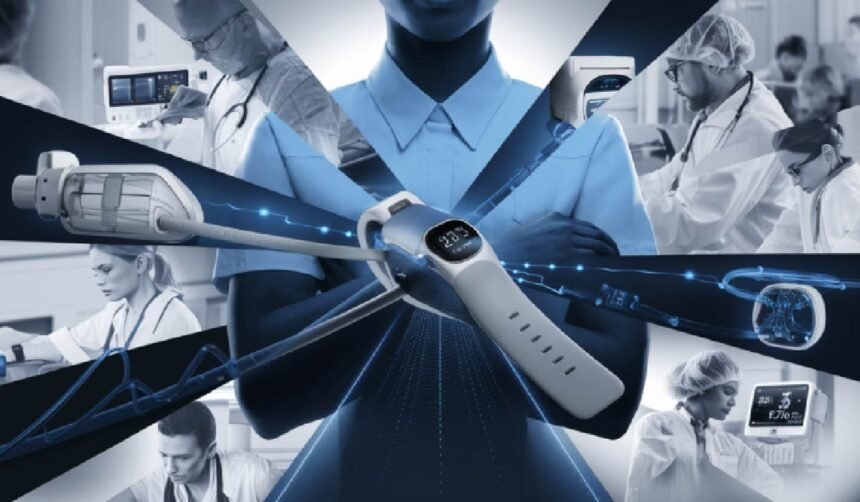
In today’s rapidly evolving health technology landscape, cuffless blood pressure monitors are redefining how people engage with personal health tracking. These modern devices offer a sleek, non-invasive alternative to traditional arm-cuff monitors, combining clinical functionality with contemporary design. By removing bulky equipment from the equation, cuffless monitors make blood pressure tracking more accessible, discreet, and seamlessly integrated into everyday life.
This fusion of style and health innovation reflects a broader shift toward wearable technologies that prioritize comfort without sacrificing accuracy. As consumers increasingly value devices that fit naturally into their routines, cuffless blood pressure monitoring is gaining attention from both healthcare professionals and wellness-focused users.
Evolution of Blood Pressure Monitoring
Traditional blood pressure measurement has relied for decades on inflatable cuffs and stationary equipment. While effective, these methods are often inconvenient for frequent monitoring and uncomfortable for long-term use. Advances in sensor technology and data processing have paved the way for cuffless solutions that eliminate these limitations.
Modern cuffless devices use optical sensors, pulse wave analysis, and algorithm-driven models to estimate blood pressure without compressing the arm. This shift represents a meaningful progression toward user-friendly health monitoring, especially for individuals who require regular tracking throughout the day
How Cuffless Blood Pressure Monitors Work
Cuffless blood pressure monitors rely on a combination of sensors and algorithms rather than mechanical compression. Many devices use optical sensors or pressure-based signals to detect changes in blood flow, which are then analyzed to estimate blood pressure values. Measurements such as pulse transit time or waveform patterns play a central role in this process.
Clinical researchers and healthcare institutions continue to examine how these technologies fit into long-term hypertension care. Ongoing discussions around modern approaches to hypertension management highlight how wearable-based approaches may support earlier detection and improved patient engagement in managing cardiovascular health.As algorithms continue to improve, consistency and reliability have increased, making cuffless monitoring a practical option for everyday use. While these technologies are still evolving, they represent a meaningful advancement in non-invasive health monitoring.
Advantages and Health Benefits of Non-Cuff Blood Pressure Monitors
Blood pressure monitors without a traditional cuff offer several practical advantages that contribute to their growing popularity. Unlike cuff-based systems, these devices are designed to fit seamlessly into daily routines without causing discomfort or inconvenience.
Key benefits include:
- Comfort: No squeezing or pressure on the arm, making frequent measurements more tolerable.
- Portability: Compact designs allow users to monitor blood pressure at home, at work, or while traveling.
- Discretion: Measurements can be taken quietly and unobtrusively in public settings.
Continuity: Many devices support regular or ongoing tracking, helping users observe trends rather than isolated readings.
Together, these advantages support more consistent engagement with health monitoring, which is an important factor in long-term cardiovascular awareness.
Individuals can monitor blood pressure with cuffless devices from Sempulse, Aktiia, or Biospectal. These non-cuff monitors provide comfortable measurement experiences without arm squeezing or pressure discomfort enabling frequent tolerable monitoring throughout daily activities.
Wearable Technology and Proactive Health Management
Wearable technology is reshaping how individuals interact with health data. Devices such as cuffless blood pressure monitors are part of a larger movement toward continuous, user-driven monitoring. By embedding health tracking into everyday accessories, wearables reduce barriers to regular measurement and encourage greater awareness of personal health trends.
This approach supports more proactive health management by helping users recognize patterns over time rather than relying solely on occasional clinical visits. As wearable ecosystems expand, integration with additional health metrics may further enhance their usefulness.
Style Meets Clinical Innovation
Beyond functionality, cuffless blood pressure monitors reflect a growing emphasis on design and usability. Many models are created to resemble everyday accessories, allowing users to wear them comfortably throughout the day. This design approach can reduce the stigma often associated with medical devices and encourage more consistent use.
By prioritizing aesthetics alongside performance, manufacturers aim to improve long-term adherence to monitoring routines. When health devices feel less intrusive, users are more likely to engage with them regularly. This blend of style and innovation highlights how design considerations can support better health outcomes without compromising practicality.
Clinical Perspective on Modern Blood Pressure Management
As monitoring tools evolve, clinical strategies for managing hypertension are also changing. Greater access to longitudinal data allows healthcare providers and patients to make more informed decisions based on real-world patterns rather than isolated readings.
Clinical discussions around modern approaches to hypertension management emphasize the value of continuous monitoring and data-driven care models in improving long-term cardiovascular outcomes.
The Future of Blood Pressure Monitoring
As wearable health technology continues to evolve, blood pressure monitoring is becoming more accessible, accurate, and seamlessly integrated into everyday life. Rather than relying solely on occasional clinical measurements, individuals can now benefit from continuous insights that support earlier awareness, trend recognition, and more informed health decisions. These advancements reduce friction in long-term monitoring while improving comfort and usability across daily environments. By adopting a cuffless blood pressure monitor, users can align preventive care with convenience, confidence, and consistency, supporting sustainable health awareness without disrupting routines or requiring specialized equipment.