

Basements are often the most underutilized spaces in a home. Whether you’re planning to turn your basement into a cozy family room, a guest bedroom, or a rentable living space, safety should be your top priority. That’s where egress windows come into play.
In this complete guide, we’ll explore what egress windows are, why they’re essential, how they affect safety and compliance, and what to consider when installing or upgrading them. Understanding the role of these windows can help you create a safer, brighter, and code-compliant home environment.
What Are Egress Windows?
An egress window is a window that is specifically designed to provide an emergency exit from a building—typically from a basement or below-grade living space. It is large enough for a person to escape through in case of a fire or other emergency, and it also allows emergency responders to enter.
These windows are not just optional features—they are often required by building codes when a basement or any room below grade is used as a living space, especially as a bedroom. Without them, a basement bedroom could be considered illegal or unsafe for occupancy.
Why Egress Windows Matter
Egress windows are more than just code requirements. They offer a variety of functional and safety benefits that make them an important part of any basement renovation or construction project.
1. Emergency Escape and Rescue
The primary purpose of an egress window is to provide a safe and accessible escape route during emergencies like fires, gas leaks, or floods. If the main exit is blocked, an egress window could be the only way out.
2. Legal Compliance
Building codes across many jurisdictions require egress windows in any room designated for sleeping, especially if it’s located below grade. Failure to meet these requirements can result in fines or limitations on selling the home.
3. Natural Light and Ventilation
Because egress windows are significantly larger than typical basement windows, they allow more natural light into the space. They also improve ventilation, which is crucial in areas that are more prone to dampness and mustiness.
4. Home Value
Installing egress windows can increase your home’s market value. A finished basement with legal bedrooms adds square footage and usability, which appeals to potential buyers or renters.
Egress Window Code Requirements
Building codes may vary depending on the jurisdiction, but most follow guidelines similar to those outlined by the International Residential Code (IRC). Here are common requirements:
Size and Opening
- Minimum opening area: 5.7 square feet (5.0 square feet for ground floor)
- Minimum opening height: 24 inches
- Minimum opening width: 20 inches
- Maximum sill height from floor: 44 inches
Accessibility
- The window must be operable from the inside without tools or special knowledge.
- It cannot have bars, grilles, or security covers that prevent egress unless they are easily removable from the inside without tools.
Window Wells
If the egress window is below grade, it must have a window well that provides enough clearance for exit:
- Minimum projection: 36 inches from the wall
- Minimum area: 9 square feet
- If the well is deeper than 44 inches, a permanently affixed ladder or steps are required.
These standards ensure that anyone, including children or elderly individuals, can easily escape or be rescued.
Types of Egress Windows
There are several window styles that can qualify as egress windows if they meet code requirements:
1. Casement Windows
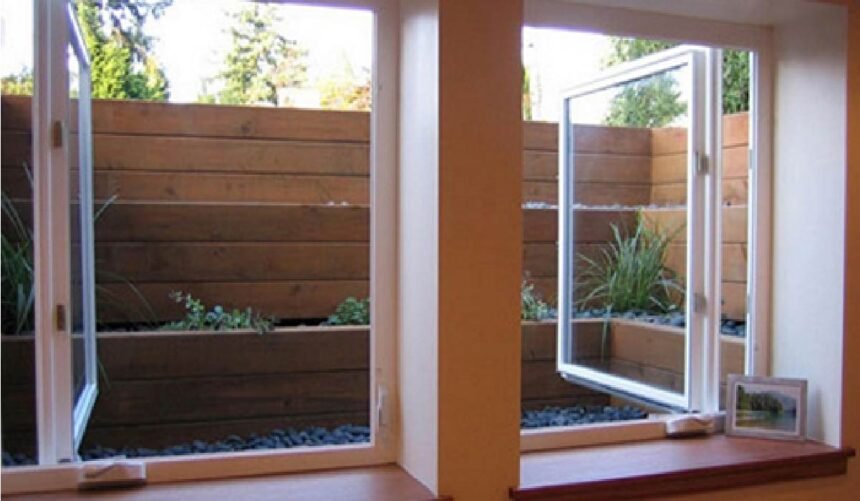
Hinged on the side and open outward like a door, these are ideal for small wall spaces since they provide large clear openings.
2. Sliding Windows
These slide horizontally and offer ease of use. However, one side is fixed, so the operable section must meet minimum size standards.
3. Single or Double Hung Windows
These open vertically. To meet egress standards, the openable portion must be large enough.
4. Awning Windows
Hinged at the top and open outward. These rarely meet egress requirements because they restrict exit space unless designed specifically for egress use.
Where Egress Windows Are Required
Generally, egress windows are required in:
- Every basement bedroom
- Any habitable basement space used for sleeping
- Any lower-level living space being converted into legal occupancy
Even if your basement isn’t used for bedrooms, installing an egress window is still a good idea for safety and natural lighting.
Installation Considerations
Adding or replacing egress windows is not a simple DIY task. It involves excavation, structural alterations, waterproofing, and adherence to building codes. Here are some things to keep in mind:
1. Excavation and Structural Changes
For below-grade installations, soil must be excavated to create space for the window and window well. Cutting into the foundation wall may be necessary, which should always be done by a professional to avoid compromising structural integrity.
2. Drainage and Waterproofing
Proper drainage is essential to prevent leaks and flooding. Most window wells are connected to the home’s drainage system or include a gravel base to allow water to escape.
3. Permits and Inspections
Always obtain the necessary building permits before installation. Inspections are usually required to ensure compliance with egress window codes and structural safety.
4. Costs
The cost of installing egress windows varies based on several factors:
- Window type and size
- Need for excavation or cutting foundation walls
- Material and design of the window well
- Local labor and permitting costs
On average, expect to pay anywhere from $2,500 to $8,000 or more per window.
Window Wells and Covers
Window wells are required for any egress window installed below ground. They must meet code size requirements and often include a drainage system and access ladder.
Window well covers are also important:
- They prevent debris, animals, and water from entering the well.
- Transparent covers still allow light in.
- Covers must be easy to remove from inside for emergency egress.
Maintenance and Safety Tips
Once installed, egress windows should be maintained for optimal functionality and safety:
- Keep the window well clean and free from obstructions.
- Test the window periodically to ensure it opens easily.
- Check well covers and drains for blockages.
- Ensure no furniture or storage blocks the interior access to the window.
These regular checks can be the difference between life and death in an emergency situation.
Upgrading Existing Basement Windows
If you’re finishing or remodeling your basement, existing small or fixed windows likely won’t meet egress standards. Upgrading to a compliant window is usually required if you intend to use the space as a bedroom or legal rental unit.
Consult with a contractor or building inspector early in the planning phase. They can assess whether the window opening meets code or if excavation and wall cutting are needed.
Final Thoughts
Egress windows are an essential component of a safe and habitable basement. They serve a life-saving function by providing an emergency exit route, and they also enhance natural light, improve ventilation, and add value to your home.
While installation can be complex and sometimes costly, the investment pays off in safety, code compliance, and peace of mind. Whether you’re building new or remodeling existing spaces, don’t overlook the importance of properly installed egress windows.