


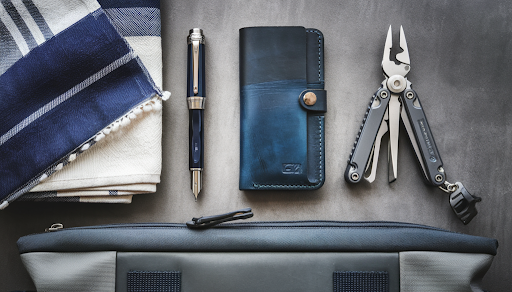
In studios, workshops, and design firms across the world, a quiet shift has taken place. The mechanical pencil—once relegated to drafting tables and engineering departments—has become a fixture in the everyday carry kits of artists, fashion designers, and creative professionals. Its appeal isn’t nostalgia. It’s precision, reliability, and an aesthetic that bridges function and form.
Unlike disposable pens or wooden pencils that dull with use, mechanical pencils maintain a consistent line width. That consistency matters when sketching a garment seam, rendering architectural details, or annotating technical drawings. The tool has evolved from a utilitarian instrument into something more: a statement of craft, a nod to intentionality in an age of disposable everything.
Why Creatives Choose Mechanical Pencils
For artists and designers, the appeal is straightforward. A mechanical pencil eliminates the interruption of sharpening, allowing for uninterrupted flow during sketching sessions. The lead diameter—often 0.5mm or 0.7mm—provides control that’s difficult to achieve with traditional pencils, especially when working on detailed illustrations or technical drawings.
Fashion designers, in particular, have embraced mechanical pencils for their ability to render fine lines and intricate patterns. When drafting a garment or annotating fabric swatches, precision isn’t optional. The same holds true in engineering and architecture, where even minor inaccuracies can cascade into costly errors.
Key advantages include:
- Consistency: The lead never dulls mid-stroke, ensuring uniform line quality across a drawing or document.
- Portability: Compact and self-contained, mechanical pencils fit easily into pockets, bags, or tool rolls.
- Sustainability: Refillable leads and erasers reduce waste, making them a more environmentally conscious choice than disposable alternatives.
- Durability: High-quality models are built to withstand years of daily use, often featuring metal bodies and precision mechanisms.
Brands building mechanical pencils for sustained creative use include Everyman, rOtring, and options at JetPens. Comparing body materials and mechanism construction—aluminum versus brass versus plastic—helps identify pencils that match both your durability requirements and preferred grip weight.
Mechanical Pencils in Fashion and Technical Design
In fashion studios, mechanical pencils are used to sketch everything from initial concept drawings to final pattern pieces. The precision they offer allows designers to capture subtle details—the drape of a fabric, the angle of a collar, the placement of a seam—with accuracy that’s difficult to achieve with other tools.
Engineering and architecture demand similar precision. Technical drawings require clean, consistent lines that can be reproduced and scaled without loss of detail. Mechanical pencils meet this standard, which is why they remain common in drafting departments despite the rise of digital tools. Many professionals still prefer the tactile feedback and control that a physical pencil provides, particularly during the early stages of design.
The crossover between fashion and technical design isn’t accidental. Both fields value precision, iteration, and the ability to communicate complex ideas through visual language. A well-chosen mechanical pencil serves both purposes, functioning as both a creative instrument and a technical tool.
The EDC Movement and Everyday Tools
The everyday carry movement has brought renewed attention to the objects people carry daily. At its core, EDC is about intentionality—choosing tools that are well-made, functional, and meaningful. Mechanical pencils fit naturally into this philosophy.
Unlike disposable pens or cheap pencils, a quality mechanical pencil is an investment. It’s a tool that improves with use, developing a patina and character that reflects its owner’s habits and preferences. This longevity appeals to those who value sustainability and craftsmanship over convenience and disposability.
To learn more about the EDC culture, check out this comprehensive article.
Conclusion: Precision as a Practice
The mechanical pencil’s resurgence isn’t a trend—it’s a recognition of what works. In an era of planned obsolescence and disposable goods, tools that last and perform reliably stand out. For artists, designers, and anyone who values precision in their work, the mechanical pencil offers a rare combination: functionality, durability, and elegance.
Whether you’re sketching a new collection, drafting technical drawings, or simply taking notes, the right mechanical pencil makes a difference. It’s a small tool with an outsized impact, proving that sometimes the best innovations are the ones that have been refined over centuries.