


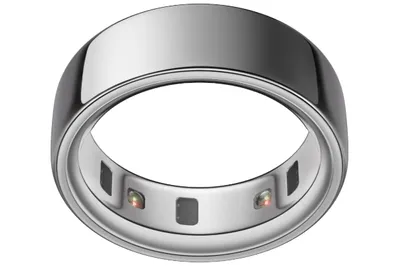
Wearable technology is shrinking — and getting smarter. While bulky smart watches once dominated the health-tracking space, a new wave of compact wearables is changing the game. One of the most exciting innovations is the smart ring: a tiny device that sits on your finger yet monitors critical aspects of your well-being, from sleep quality to stress levels and heart health.
Let’s explore how this small gadget is making a big impact on personal health tracking.
The Rise of Smart Rings in Health Technology
Over the past few years, consumers have shifted toward minimalist health devices that blend seamlessly into everyday life. Smart rings deliver powerful sensors without the distractions or size of traditional wearables.
Companies like RingConn have helped push this category into the mainstream, showing that health insights don’t require a screen strapped to your wrist.
Unlike watches, smart rings are lightweight, discreet, and designed for 24/7 wear — making them ideal for continuous monitoring.
Advanced Sleep Tracking in a Tiny Device
Sleep is one of the most important indicators of overall health, yet many people struggle to measure it accurately.
Smart rings track sleep using sensors that monitor:
- Heart rate variability during rest
- Body temperature trends
- Movement patterns
- Sleep stages such as deep, light, and REM sleep
Because fitness ring sits on the finger — where blood flow signals are strong — they often provide highly accurate sleep data. This allows users to understand not just how long they slept, but how well their body recovered overnight.
Monitoring Stress Levels throughout the Day
Stress tracking is becoming a key feature of modern wearables. Smart rings estimate stress by analyzing heart rate variability (HRV), resting heart rate, and activity levels.
When stress levels rise, the ring’s app can notify users, encouraging actions such as:
- Breathing exercises
- Short walks
- Mindfulness breaks
This proactive approach helps users prevent burnout instead of reacting to it after the fact.
Supporting Heart Health with Continuous Monitoring
Heart health is another area where waterproof smart ring shine. These devices track:
- Resting heart rate trends
- HRV patterns
- Activity levels and recovery time
By analyzing long-term patterns, smart rings can highlight early signs of fatigue, overtraining, or potential cardiovascular concerns.
Why Smart Rings Are Becoming More Popular
There are several reasons smart rings are quickly gaining attention:
- Comfort and Convenience
Unlike watches, rings are small and unobtrusive. Many users forget they’re even wearing one.
- Long Battery Life
Because they lack large screens, smart rings often last several days on a single charge.
- Discreet Design
Smart rings look like jewelry, making them suitable for both professional and casual settings.
- Data without Distraction
Unlike smart watches from brands like Apple or Fitbit, smart rings focus on passive tracking rather than constant notifications.
The Future of Finger-Based Health Tracking
As sensors become more advanced and AI improves data interpretation, smart rings are expected to expand their capabilities even further. Future features may include:
- Early illness detection
- Blood oxygen monitoring improvements
- More precise stress and recovery scoring
- Integration with healthcare providers
This evolution could make smart rings not just wellness gadgets, but essential personal health companions.
Final Thoughts
The smart ring proves that powerful health tracking doesn’t require bulky devices or complicated interfaces. By quietly monitoring sleep, stress, and heart health, this tiny wearable helps users make smarter lifestyle choices every day.
As technology continues to shrink and accuracy improves, smart rings may soon become one of the most important tools in personal wellness — small in size, but enormous in impact.