


Dental emergencies can strike unexpectedly, causing significant discomfort and distress. Whether it’s a sudden toothache, a broken tooth, or a lost filling, knowing how to respond promptly can make a substantial difference in the outcome. This guide provides essential steps to take when you require urgent dental care, ensuring you receive timely and effective treatment.
Many dental practices, including ARC Dental Surgery in Blackpool, offer emergency contact numbers and same-day appointments to ensure patients receive timely care.
Recognising a Dental Emergency
Understanding what constitutes a dental emergency is the first step in managing the situation effectively. Common dental emergencies include:
- Severe Toothache: Persistent or intense pain that doesn’t subside with over-the-counter pain relievers.
- Broken or Chipped Teeth: Damage resulting from accidents or biting hard substances.
- Knocked-Out Teeth: Accidental dislodgement of a tooth due to trauma.
- Lost Fillings or Crowns: Restoration materials coming loose or falling out.
- Dental Abscess: Infection at the root of a tooth or between the gum and a tooth, often accompanied by swelling and fever.
- Wisdom Tooth Pain: Discomfort or infection related to emerging or impacted wisdom teeth.
If you experience any of these issues, it’s crucial to seek dental care promptly to prevent complications.
Immediate Steps to Take
While waiting for professional dental care, certain actions can help alleviate pain and prevent further damage:
- Manage Pain and Swelling: Use over-the-counter pain relievers as directed. Applying a cold compress to the affected area can reduce swelling and numb the pain.
- Preserve Tooth Fragments: If a tooth is broken or knocked out, collect any fragments and store them in a clean container. If the tooth is knocked out, try to place it back into its socket without forcing it. If that’s not possible, keep it moist by placing it in milk or a saline solution.
- Avoid Aggravating the Issue: Refrain from chewing on the affected side of your mouth. Avoid hot or cold foods and beverages that might exacerbate pain.
- Maintain Oral Hygiene: Continue brushing and flossing, but be gentle around the affected area to avoid irritation.
What to Expect During an Emergency Dental Appointment
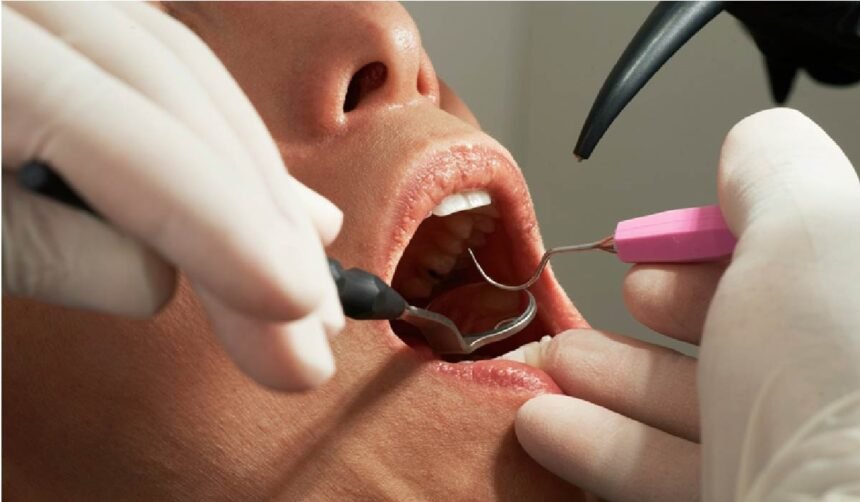
During your visit, the dentist will:
- Conduct a Thorough Examination: Assess the severity of the problem through visual inspection and, if necessary, X-rays.
- Provide Pain Relief: Administer local anaesthesia to numb the area and alleviate discomfort.
- Address the Issue: Depending on the diagnosis, treatment may include cleaning, filling, root canal therapy, or other necessary procedures.
- Offer Aftercare Instructions: Provide guidance on managing the condition at home and schedule follow-up appointments if needed.
Handling Dental Emergencies Outside Normal Hours
Dental emergencies don’t always occur during regular office hours. Knowing what to do if a problem arises late at night, on weekends, or during holidays is crucial.
If you cannot reach your dentist immediately, you can take temporary measures to ease discomfort. Rinsing your mouth with warm salt water can help reduce swelling and fight infection. Over-the-counter painkillers may provide short-term relief, but always follow the instructions carefully. Avoid placing aspirin directly on the gums or affected tooth, as this can cause irritation.
For knocked-out teeth, quick action is essential—keeping the tooth moist and visiting a dentist within 30–60 minutes greatly increases the chance of saving it. Staying calm and acting promptly can make a significant difference in the outcome of any dental emergency.
Preventing Future Dental Emergencies
While not all dental emergencies are preventable, certain practices can reduce the risk:
- Regular Dental Check-ups: Visit your dentist regularly for routine examinations and cleanings.
- Use Protective Gear: Wear mouthguards during sports or activities that pose a risk to your teeth.
- Avoid Hard Foods: Be cautious when consuming hard foods that could crack or chip teeth.
- Maintain Good Oral Hygiene: Brush twice daily with fluoride toothpaste and floss regularly to prevent decay and gum disease.
Financial Considerations
Emergency dental care costs can vary depending on the nature and complexity of the treatment. It’s advisable to discuss fees with your dental provider beforehand. Some practices offer payment plans or accept insurance to help manage costs, making urgent care more accessible when it is most needed.
The Importance of Staying Calm
Experiencing a dental emergency can be stressful, but maintaining a calm and composed mindset is essential. Panic can exacerbate pain perception and make it harder to follow immediate care instructions. By staying calm, you can think clearly, take the right steps to protect your oral health, and communicate effectively with your dentist.
Conclusion
Dental emergencies are distressing, but prompt action can mitigate pain and prevent further complications. By recognising the signs of an emergency, taking immediate steps to manage the situation, seeking professional care, and adopting preventive measures, you can ensure the best possible outcome for your oral health.