


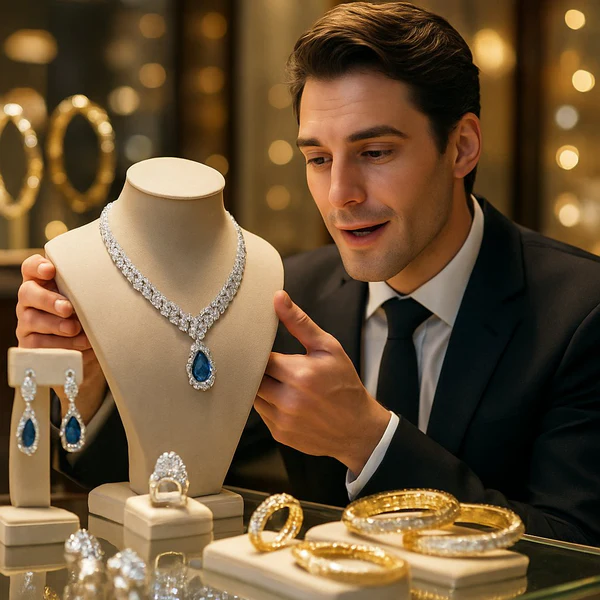
Fine jewelry has long occupied a unique position in the worlds of fashion, culture, and personal expression. Unlike accessories shaped by seasonal trends, exceptional jewelry is designed to endure. Crafted from precious materials and refined by skilled hands, these pieces are created not only to be worn, but to carry meaning across time.
Celebrities have played a visible role in reinforcing the cultural importance of fine jewelry. On red carpets and at private events, stylists often favor pieces that possess character and history rather than contemporary designs produced in large quantities. Vintage and signed jewelry offers individuality, subtle distinction, and craftsmanship that cannot be easily replicated, making it a natural choice for those seeking authenticity.
Beyond their visual impact, fine jewelry pieces often carry emotional and symbolic weight. Rings, earrings, necklaces, and brooches frequently mark personal milestones — achievements, relationships, or moments of transformation. This emotional dimension explains why many collectors gravitate toward jewelry that has already lived a life, pieces that hold a sense of continuity and narrative beyond the present moment.
In recent years, fine jewelry has also attracted attention as a tangible asset. Gold and precious gemstones possess intrinsic value, while exceptional design and historical relevance can significantly enhance desirability over time. Collectors increasingly look toward established jewelry houses and carefully curated selections, recognizing that quality, condition, and provenance matter as much as aesthetic appeal.
Specialist galleries play an essential role in this landscape. DSF Antique Jewelry, a New York–based dealer with decades of experience, is known for curating fine and signed jewelry with an emphasis on rarity, craftsmanship, and condition. Their selection includes pieces by renowned houses such as Cartier, Van Cleef & Arpels, and Bulgari — names that continue to define excellence in jewelry design long after their original creation.
What distinguishes fine jewelry from fleeting fashion is its ability to remain relevant across generations. Whether worn by celebrities on prominent stages or cherished privately by collectors, these pieces embody a lasting dialogue between art, heritage, and personal expression. In a world increasingly shaped by speed and disposability, fine jewelry stands as a quiet counterpoint — an enduring reflection of refinement, memory, and value.
As interest in authenticity and craftsmanship continues to grow, fine jewelry remains a powerful form of self-expression. Each piece reflects not only artistic mastery but also the values of those who choose to wear it — discernment, appreciation for history, and an understanding of lasting quality. In this sense, fine jewelry is never merely decorative; it is a personal statement shaped by time, culture, and intention.