

If you step into a modern office today, something feels different even before anyone says a word.
Desks look cleaner. Paper is rare. Conversations happen through screens as often as they do across a table. And most of the work happening inside that office probably isn’t stored in the building at all.
It lives somewhere in the cloud.
Technology didn’t flip business upside down overnight. It crept in slowly — email replacing letters, spreadsheets replacing ledgers, video calls replacing long flights for meetings. But after enough of those small changes, the entire rhythm of work started to feel different.
Work Isn’t Always Happening in the Office Anymore
For decades the office was the center of everything. You arrived in the morning, stayed most of the day, and went home when the work was finished.
That model doesn’t hold as tightly anymore.
A designer might work from a laptop at home. A sales manager might be traveling while still attending meetings through a phone. Teams now collaborate in shared online spaces that don’t really belong to one physical place.
It doesn’t mean offices disappeared — it just means the office isn’t the only place where work lives.
Decisions Are Less About Guessing
Business decisions used to rely heavily on experience and intuition. Those things still matter, but technology added something powerful: visibility.
Companies can now see patterns almost instantly. Sales reports update automatically. Customer behavior is tracked in real time. Marketing campaigns reveal their results quickly instead of months later.
It doesn’t remove uncertainty, but it reduces blind spots.
Leaders still make judgment calls — they just have better information when they do.
Automation Quietly Took Over the Repetitive Stuff
Another change is happening behind the scenes. A lot of the routine work businesses used to do manually now runs on its own.
Invoices generate automatically. Inventory systems update themselves. Customer requests move through digital workflows instead of stacks of paperwork.
It’s not the kind of change people celebrate loudly, but it saves enormous amounts of time.
And time, in business, is everything.
Identity Still Matters in a Digital World
What’s interesting is that while business operations moved into digital spaces, physical identity didn’t disappear.
Walk into certain companies — especially engineering or aviation firms — and you’ll still see objects that represent what they do. Sometimes it’s a prototype, sometimes a product display.
In aviation offices, for example, it isn’t unusual to see a wooden airplane model sitting in a lobby or executive office. It’s not there by accident. It signals what the company builds or operates.
Those small details still shape how visitors understand a business.
Communication Got Faster — Sometimes Too Fast
One thing technology definitely accelerated is communication.
Messages move instantly now. Decisions that once required formal meetings might happen in a short chat thread. Teams share files and updates constantly.
That speed helps businesses react quickly, but it also means information can become overwhelming. Part of modern management is simply deciding what deserves attention.
Not every notification matters.
Workspaces Started Looking Different
Because so much work happens digitally, offices themselves are changing.
Instead of rows of desks filled with paperwork, many workplaces now focus on collaboration spaces, presentation areas, and meeting rooms. Offices are becoming places where ideas are discussed rather than places where every task happens.
You still see personal touches, though. A model plane in a conference room or display shelf might reflect the industry the company belongs to or the kind of engineering it values.
In a way, those small objects keep the physical world connected to the digital one.
The Changes Aren’t Finished Yet
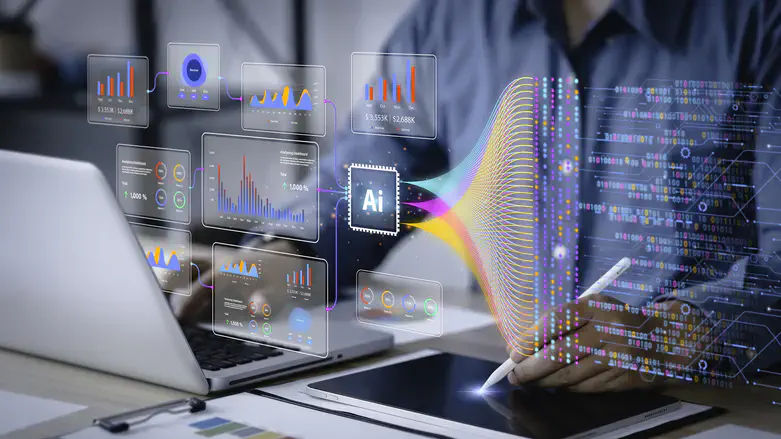
If the past twenty years reshaped business through the internet and cloud software, the next decade will probably be shaped by artificial intelligence, automation, and new forms of data analysis.
But the pattern will likely stay the same.
Technology doesn’t suddenly replace everything. It slips into everyday work, solves small problems, and gradually changes how companies operate.
One improvement at a time.
And before long, the workplace starts to look completely different.