What Is a Multipoint Lock Gearbox?
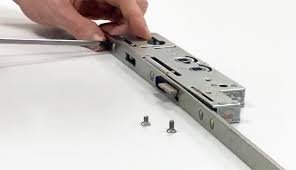
A multipoint lock gearbox is the central operating part of a multipoint locking system. It sits inside the main lock case and connects the door handle, euro cylinder, and locking strip. When you lift the handle, the gearbox moves the hooks, rollers, or bolts into position. When you turn the key, it secures the mechanism so the door remains locked.
Because the gearbox controls so much of the system, it is one of the most important parts of the lock. It is also one of the most common parts to fail. When gearbox failure occurs, the door may become difficult to lock, impossible to unlock, or completely stuck.
According to experts at Locksandhardware.co.uk, this is why multipoint lock gearbox failure is such a frequent locksmith issue. The problem can appear suddenly, but it is often caused by months or years of strain, wear, poor alignment, or lack of maintenance.
Why Gearboxes Fail
The most common cause of gearbox failure is pressure from a misaligned door. If the locking points do not line up correctly with the frame, the user has to force the handle to engage the mechanism. Every time this happens, extra stress is placed on the gearbox.
Another cause is general wear and tear. Front doors, back doors, and patio doors are used every day. Over time, internal springs, cams, and moving parts inside the gearbox can weaken. Once these parts wear down, the handle may feel loose, the key may stop turning properly, or the lock may fail altogether.
Poor maintenance can also contribute. Dirt, debris, and lack of lubrication increase friction inside the locking system. Outdoor doors are also exposed to moisture and temperature changes, which can affect metal components over time.
Main Symptoms of Gearbox Failure
One of the clearest signs of gearbox failure is a handle that becomes floppy or loose. If the handle no longer springs back properly, the internal spring or mechanism may be worn.
Another symptom is a handle that will not lift fully. This may happen because the gearbox is jammed, worn, or under pressure from misaligned locking points. If the handle stops before reaching its normal locking position, the key may not turn.
A third warning sign is a key that turns but does not lock the door. This can mean the cylinder is working, but the gearbox is no longer transferring movement to the rest of the locking system.
In more serious cases, the door may become stuck shut. This usually happens when the gearbox fails while the locking points are engaged. At this stage, forcing the handle can make the problem worse.
How a Locksmith Diagnoses Gearbox Failure
A locksmith will usually begin by testing the lock with the door open. If the handle does not operate correctly while the door is open, the fault is likely inside the lock mechanism itself. If the lock works when open but not when closed, alignment may be the main issue.
The locksmith will also inspect the cylinder, handles, spindle, and lock strip. This is important because gearbox symptoms can sometimes be confused with cylinder failure or handle problems.
Once the gearbox is identified as the issue, the locksmith will measure the existing unit. Key measurements include backset, centres, case height, spindle position, and screw locations. These measurements are needed to source the correct replacement.
Can a Gearbox Be Repaired?
In most cases, a failed gearbox is replaced rather than repaired internally. The components inside are small and precise, and replacement is usually more reliable than attempting to rebuild the mechanism.
The good news is that the gearbox can often be replaced without changing the full multipoint lock strip. If the hooks, rollers, bolts, and strip are still in good condition, fitting a new gearbox can restore the lock at a lower cost than full replacement.
However, if the lock strip is old, damaged, or obsolete, full replacement may be the better long-term solution.
Why You Should Not Force the Handle
One of the worst things you can do with a failing gearbox is force the handle. Forcing the mechanism may temporarily lock the door, but it increases the risk of complete failure. If the gearbox breaks while the door is locked, the repair becomes more difficult.
If the handle becomes stiff, stop using force and investigate the cause. A locksmith can usually repair the issue more easily before the gearbox fails completely.
Preventing Gearbox Failure
The best way to prevent gearbox failure is to keep the door aligned and maintained. If the door needs lifting, pushing, or pulling to lock, the mechanism is under strain. Adjusting the hinges or keeps early can prevent damage to the gearbox.
Regular lubrication of moving parts also helps. Use a suitable lock lubricant, not heavy oil that attracts dirt. Keep the door clean and avoid slamming it.
Conclusion
Multipoint lock gearbox failure is a common problem, but it often develops gradually. Stiff handles, loose handles, difficult keys, and incomplete locking are all early warning signs. A locksmith can diagnose whether the gearbox is failing and replace it if needed. Acting early can prevent a stuck door, reduce repair costs, and keep your property secure.