Many men focus on health by staying active, building muscle, or maintaining a healthy weight. However, one thing that is often forgotten is proper nutrition. Even if a man is eating regular meals, he may not be getting all the vitamins and minerals his body needs.
The modern lifestyle, busy schedule, processed food, and poor dietary habits can lead to deficiencies in nutrients.
These deficiencies can affect energy, immunity, bone health, and well-being over time. Knowing the most common vitamin and mineral deficiencies in men can help prevent potential health issues and promote long-term wellness.
Why Men Are More Likely To Have Nutrient Deficiencies
Many men live busy lives and don’t eat a healthy diet. Nutritional gaps can be caused by skipping meals, eating too much fast food, drinking too much caffeine, and not eating enough fruits and vegetables.
When men get older, their bodies may not absorb some nutrients as well. In addition, stress, smoking, alcohol consumption, and limited sun exposure can increase the risk of deficiencies.
The good news is, if you catch these nutrient gaps early you can help support better health and improve your quality of life.
Vitamin D Deficiency and How It Affects Health
“Vitamin D is one of the most commonly deficient nutrients worldwide.” It aids the body in absorbing calcium, which keeps bones strong and supports immune function.
Men with low vitamin D levels may experience fatigue, muscle weakness, frequent illnesses, or bone discomfort. Vitamin D is mainly obtained by sun exposure, and can be dangerous for those who are indoors most of the time.
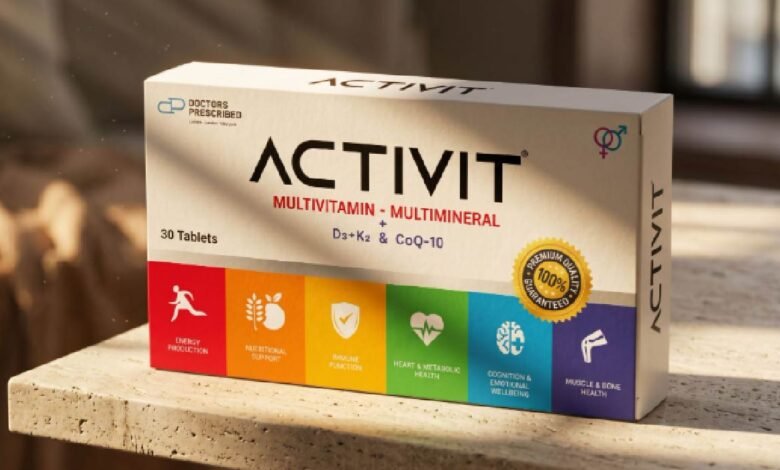
You can also consider supplements like ACTIVIT, which contains vitamin D3 (cholecalciferol) to help support healthy vitamin D levels.
Calcium Deficiency and Bone Strength
Many people associate calcium with children’s growth, but it remains equally important for adult men. Calcium is essential for maintaining bone density and reducing the risk of fractures later in life.
A long-term calcium deficiency may weaken bones and increase the risk of conditions such as osteoporosis. Men who consume little dairy or other calcium-rich foods may not be meeting their daily requirements.
Maintaining adequate calcium intake becomes especially important as men age and natural bone loss begins to occur.
Magnesium Deficiency: Signs and Health Effects
Magnesium is involved in many processes in the body, including nerve signalling, muscle function, and energy production.
Unfortunately, many men are not eating enough magnesium-rich foods. Low magnesium levels may contribute to muscle cramps, poor sleep quality, fatigue, and reduced physical performance.
Foods such as nuts, seeds, whole grains, and leafy greens are excellent sources of this important mineral.
Vitamin B12 Deficiency and Low Energy Levels
Vitamin B12 plays a key role in red blood cell production and nervous system health. A deficiency can lead to tiredness, weakness, poor concentration, and mood changes.
Older men are particularly vulnerable because the body’s ability to absorb vitamin B12 tends to decline with age. Vegetarians and vegans may also have difficulty obtaining enough B12 through diet alone.
Ensuring adequate intake of vitamin B12 is important for maintaining energy and supporting overall health.
Iron Deficiency in Men: Causes and Symptoms
Although iron deficiency is more commonly discussed in women, men can also experience low iron levels. Iron helps transport oxygen throughout the body and supports normal energy production.
Symptoms of iron deficiency may include fatigue, weakness, shortness of breath, and reduced exercise performance.
Men who have poor dietary intake or underlying health conditions should pay attention to their iron status and consult a healthcare professional if symptoms develop. They can also use a multivitamin supplement, such as ACTIVIT, which provides iron as ferrous bisglycinate—a bioavailable and stomach-friendly form—may also help support daily nutritional needs.
Zinc Deficiency and Immune Function
Zinc is an essential mineral that supports immune health, wound healing, and normal cell growth.
A lack of zinc may contribute to frequent infections, slower recovery from illness, and reduced overall wellness. The body does not store zinc well, so you need to eat zinc-containing foods regularly.
Good dietary sources are meat, seafood, nuts, seeds, and legumes.
Muscle Health and Potassium Deficiency
Potassium helps regulate fluid balance, muscle contractions, and nerve function. Men who consume large amounts of processed foods often fail to get enough potassium from their diets.
Low potassium levels may cause muscle weakness, fatigue, and occasional muscle cramps. Fruits, vegetables, beans, and potatoes are among the best natural sources of potassium.
Maintaining healthy potassium levels can support both physical performance and heart health.
How to Prevent Vitamin and Mineral Deficiencies
Preventing nutrient deficiencies starts with a balanced diet. Men should try to eat a variety of fruits, vegetables, whole grains, lean protein, nuts, and dairy products every day.
General nutritional health is also aided by regular exercise, adequate hydration, and regular health check-ups. Supplements can be useful to help fill some nutrient gaps when used appropriately by people who have difficulty meeting their nutritional needs through diet alone.
The Importance of a Balanced Diet and Nutritional Supplements
Food should always be the first source of vitamins and minerals, but supplements can help support overall wellness for those with busy lifestyles or heightened nutritional needs.
Maintaining optimal nutrition isn’t always easy, especially with today’s busy lifestyles. Supplements, like ACTIVIT, deliver 24 key vitamins and minerals in bioavailable forms with better absorption and effectiveness. With calcium, vitamin D, magnesium, zinc, and other essential nutrients, ACTIVIT helps support men’s bone health, immunity, energy, and daily vitality.
Conclusion
Men of any age can develop deficiencies in vitamins and minerals, sometimes with no obvious symptoms at first. Focusing on nutrient intake is a key step toward maintaining energy, strength, immunity, and long-term health.
A well-rounded diet, regular physical activity, and addressing potential nutrient gaps when needed can help men support their overall health and enjoy a healthier future.