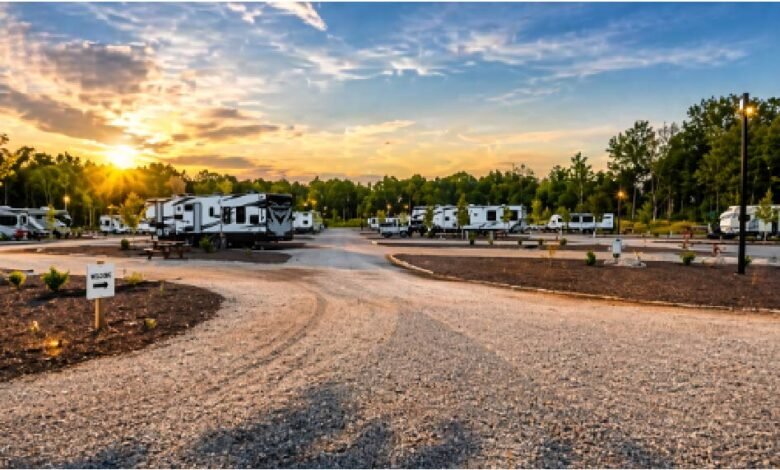
For generations, the American RV park was built on a very specific, unchanging premise: escape. It was designed as a temporary refuge for retirees chasing the mild winter weather, or for families packing into a travel trailer for a long weekend away from the demands of the modern world. The architecture of these spaces reflected that philosophy. They offered a patch of gravel, a basic electrical hookup, a communal bathhouse, and a fire ring. The goal was to disconnect.
Today, however, the landscape of mobile living is undergoing a seismic shift. The rise of the “work-from-anywhere” revolution has birthed a massive new demographic of travelers: the digital nomad. These remote workers, tech professionals, and traveling entrepreneurs are trading static mortgages for a life on the highway. But they are bringing the demands of the modern office with them.
This sociological shift has triggered an architectural and infrastructural crisis for traditional campgrounds. To survive in the new economy of mobile living, the modern RV park is being forced to execute a complete redesign, evolving from a simple parking lot into a highly connected, dynamic micro-city.
Connectivity over Campfires: The Bandwidth Mandate
The most immediate and aggressive demand of the digital nomad is uncompromising connectivity. Historically, campground Wi-Fi was considered a luxury—a shared, easily overwhelmed signal used primarily for checking emails or the local weather forecast. If a camper wanted to stream a movie and the network buffered, it was viewed as a minor inconvenience of “roughing it.”
For the remote worker, a dropped signal is not an inconvenience; it is a threat to their livelihood. The modern road warrior requires the bandwidth to host high-definition video conferences, upload massive data files to cloud servers, and collaborate on enterprise software simultaneously.
This has forced a massive infrastructural overhaul. RV parks are trenching miles of fiber-optic cable into the earth to deliver dedicated, high-speed internet directly to individual campsites. In remote areas where fiber is impossible, park owners are investing heavily in advanced satellite arrays and commercial-grade mesh networks. The definition of a “premium” campsite has fundamentally changed; it is no longer just about the view of the lake—it is about the latency of the ping.
The Rise of the “Third Space” in the Wilderness
When a software engineer or a graphic designer decides to book a spot at Basecamp RV Parks or any modern outdoor resort, they are evaluating the destination through the lens of productivity as much as recreation.
Living and working inside the confined footprint of a travel trailer or a fifth wheel, no matter how luxurious, can quickly trigger cabin fever. Sociologists refer to the necessity of a “third space”—a communal area distinct from the home and the formal workplace where people can gather, socialize, and ideate.
Progressive RV parks are responding by tearing down the dusty, outdated “rec halls” of the past and building sophisticated, multi-use pavilions. These new spaces mirror the aesthetics of high-end urban co-working spaces. They feature soundproof booths for Zoom calls, ergonomic seating, high-end espresso bars, and communal long-tables designed to foster networking among traveling professionals. The goal is to blur the line between the boardroom and the backcountry, allowing guests to step out of their rigs, grab an artisan coffee, and code for eight hours while looking at a mountain range.
The Logistics of a Borderless Life
The traditional campground was designed for transience. Guests arrived on a Friday and left on a Sunday. But digital nomads operate on the timeline of “slow travel.” They often book sites for weeks or months at a time, deeply immersing themselves in a specific region before moving on.
This shift from overnight camping to long-term residency introduces complex logistical challenges that legacy parks were never built to handle. How do you manage the daily life of someone who has no permanent address?
The most glaring challenge is the mail. A traveling professional still receives important legal documents, Amazon packages, and specialized equipment deliveries. Modern RV resorts are now required to act as sophisticated logistics hubs, building secure, climate-controlled mailrooms and installing automated package lockers to handle the daily influx of deliveries for their long-term residents.
Furthermore, the physical footprint of the sites is changing. Long-term residents require more space to accommodate larger rigs that are equipped with solar arrays, mobile satellite dishes, and heavy-duty battery banks. Parks are widening their internal roads, pouring longer concrete pads, and upgrading their electrical grids to guarantee stable, 50-amp service that won’t falter under the heavy draw of modern, tech-heavy vehicles.
Redefining the Outdoor Aesthetic
Interestingly, this surge in technological demand has not diminished the desire for nature; it has actually amplified it. The digital nomad is on the road specifically to access the outdoors the moment they close their laptop.
The design challenge for the modern RV park is achieving “invisible infrastructure.” The highest-tier resorts are mastering the art of hiding massive technological upgrades behind a veil of natural landscaping. Electrical pedestals are disguised by native flora, Wi-Fi repeaters are blended into the tree canopy, and communal fire pits are situated just steps away from the co-working lounges.
This balance is the new gold standard of the industry. The successful modern park must provide the robust, fail-safe infrastructure of a Silicon Valley office park, while perfectly preserving the illusion of an untouched wilderness retreat.
The Future of the Nomadic Network
The concept of the great American road trip is not dying; it is simply being reprogrammed. The RV park is no longer a place to escape reality. Instead, it is becoming a critical node in a growing, borderless network of professionals who refuse to choose between a fulfilling career and a life of exploration.
As the work-from-anywhere revolution solidifies its place in the global economy, the architecture of our outdoor spaces will continue to evolve. The parks that survive and thrive will be the ones that recognize this fundamental truth: the modern camper isn’t just looking for a place to park—they are looking for a place to live, work, and thrive, no matter where the highway takes them.